

Hey there! I'm a supplier of power equipment parts, and today I'm gonna share some tips on how to calibrate power equipment parts accurately. Calibration is super important in the power equipment industry. It ensures that the parts work as they should, maintain safety, and boost efficiency. Let's dig into it!
Why Calibration Matters
First off, why do we even need to calibrate power equipment parts? Well, over time, these parts can drift from their original specifications. This can be due to wear and tear, environmental factors like temperature and humidity changes, or just normal usage. When parts aren't calibrated correctly, it can lead to all sorts of problems. For example, a mis - calibrated generator might produce inconsistent power output, which can damage other connected equipment. In the case of transformers, inaccurate calibration can cause energy losses and even pose safety risks.
Pre - calibration Checks
Before you start the calibration process, there are a few things you need to do. First, inspect the part thoroughly. Look for any signs of physical damage, such as cracks, dents, or corrosion. If you find any damage, it might be necessary to repair or replace the part before calibration.
Next, make sure you have the right tools. You'll need precision measuring instruments like multimeters, oscilloscopes, and pressure gauges, depending on the type of part you're calibrating. These tools should be calibrated themselves to ensure accurate measurements. It's also a good idea to have a clean and stable work environment. Dust, vibrations, and electrical interference can all affect the calibration process.
Calibration Process for Different Parts
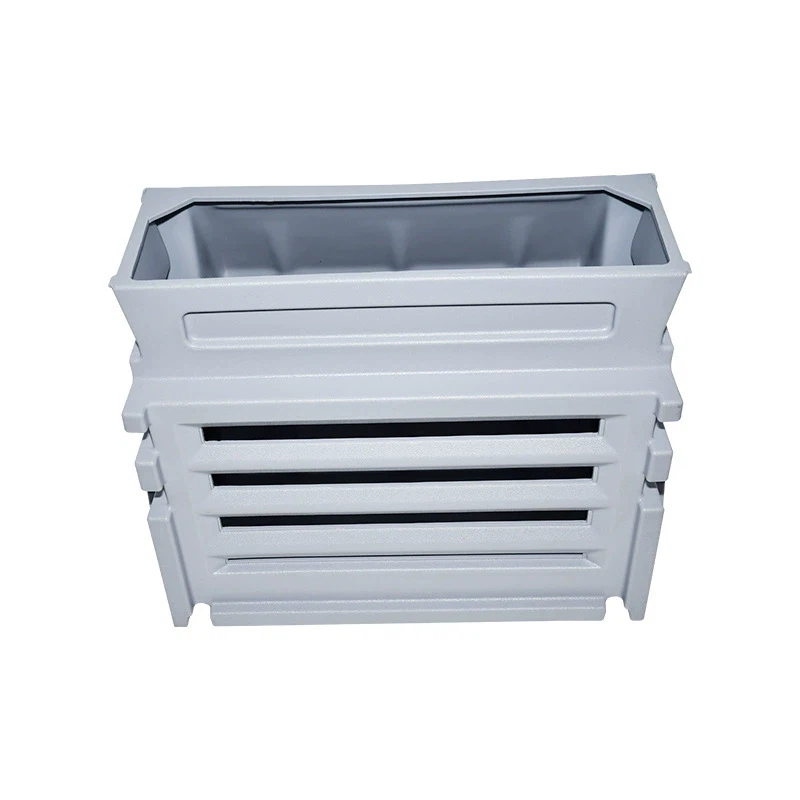
Generator Case Cover
The Generator Case Cover is an important part of the generator. It protects the internal components from environmental factors and helps with noise reduction. When calibrating the generator case cover, you need to focus on its fit and alignment.
First, check the dimensions of the case cover. Use a measuring tape or caliper to ensure that it matches the specifications of the generator. If the cover is too big or too small, it won't provide proper protection. Next, check the alignment of the cover. Make sure it fits snugly on the generator and that all the mounting holes line up correctly. You may need to adjust the position of the cover or the mounting brackets to achieve a proper fit.
Transformer Accessories
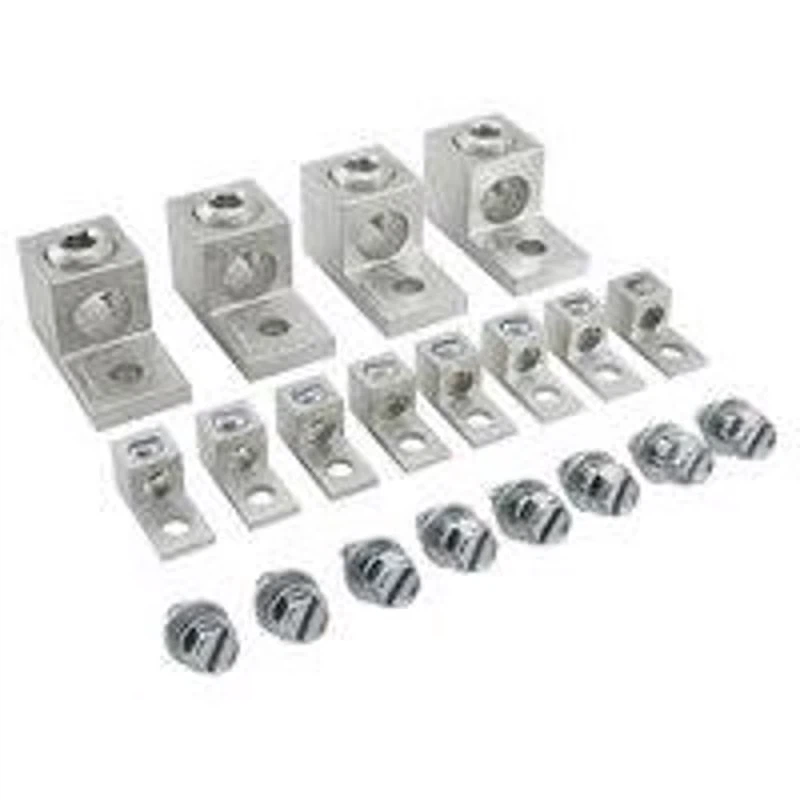
Transformer accessories, such as bushings, tap changers, and cooling fans, play a crucial role in the operation of transformers. Calibrating these accessories is essential for the efficient and safe operation of the transformer.
For bushings, you need to measure the electrical insulation resistance. Use a megohmmeter to check the resistance value. If the resistance is too low, it could indicate a problem with the insulation, which might lead to electrical breakdown. Tap changers need to be calibrated to ensure that they can change the transformer's voltage ratio accurately. This involves checking the position of the tap and the electrical contacts. Cooling fans should be calibrated to ensure that they provide the right amount of airflow. You can use an anemometer to measure the air velocity.
The Transformer Accessories we supply are designed to meet high - quality standards, and proper calibration will help you get the most out of them.
Industrial Boiler Parts
Industrial boilers are complex systems, and their parts need to be calibrated precisely. Parts like pressure sensors, temperature sensors, and control valves are critical for the safe and efficient operation of the boiler.
When calibrating pressure sensors, you need to use a pressure calibrator. Compare the reading of the sensor with the known pressure values provided by the calibrator. If there's a difference, adjust the sensor accordingly. Temperature sensors can be calibrated using a temperature bath. Immerse the sensor in the bath and compare its reading with the known temperature of the bath. Control valves need to be calibrated to ensure that they open and close at the right time and to the right degree. This can be done using a valve positioner.
Our Industrial Boiler Parts are built to last, but accurate calibration is key to their performance.
Documentation and Record - keeping
After you've calibrated a power equipment part, it's important to document the process. Keep a record of the calibration date, the tools used, the measurements taken, and any adjustments made. This documentation is not only useful for future reference but also for compliance purposes. It can help you demonstrate that your equipment is being maintained and calibrated properly.
Post - calibration Testing
Once the calibration is done, it's time to test the part. Run the power equipment with the calibrated part and monitor its performance. Check for any abnormal behavior, such as unusual noises, vibrations, or changes in output. If you notice any problems, go back and re - check the calibration.
Training and Expertise
Calibrating power equipment parts requires a certain level of knowledge and expertise. It's a good idea to have your staff trained in calibration techniques. There are many training courses available that can teach your employees how to use calibration tools correctly and how to interpret the results.
If you're not confident in your ability to calibrate the parts yourself, you can also hire a professional calibration service. They have the experience and equipment to calibrate your parts accurately.
Conclusion
Calibrating power equipment parts accurately is crucial for the performance, safety, and efficiency of your power equipment. By following the steps I've outlined above, you can ensure that your parts are calibrated correctly. Whether it's the Generator Case Cover, Transformer Accessories, or Industrial Boiler Parts, proper calibration will help you get the most out of your equipment.
If you're in the market for high - quality power equipment parts, we're here to help. We offer a wide range of parts that are designed to meet your needs. Contact us to start a procurement discussion and find out how we can support your power equipment requirements.
References
- "Power Equipment Maintenance Handbook"
- "Calibration Techniques for Electrical Equipment"
- Industry standards and guidelines for power equipment calibration


