

Securing a Mounting Adapter Plate to a surface is a crucial process that ensures the stability and functionality of various equipment. As a Mounting Adapter Plate supplier, I have witnessed firsthand the importance of proper installation and the impact it can have on the overall performance of the machinery. In this blog post, I will share some essential steps and tips on how to secure a Mounting Adapter Plate to a surface effectively.
Understanding the Mounting Adapter Plate
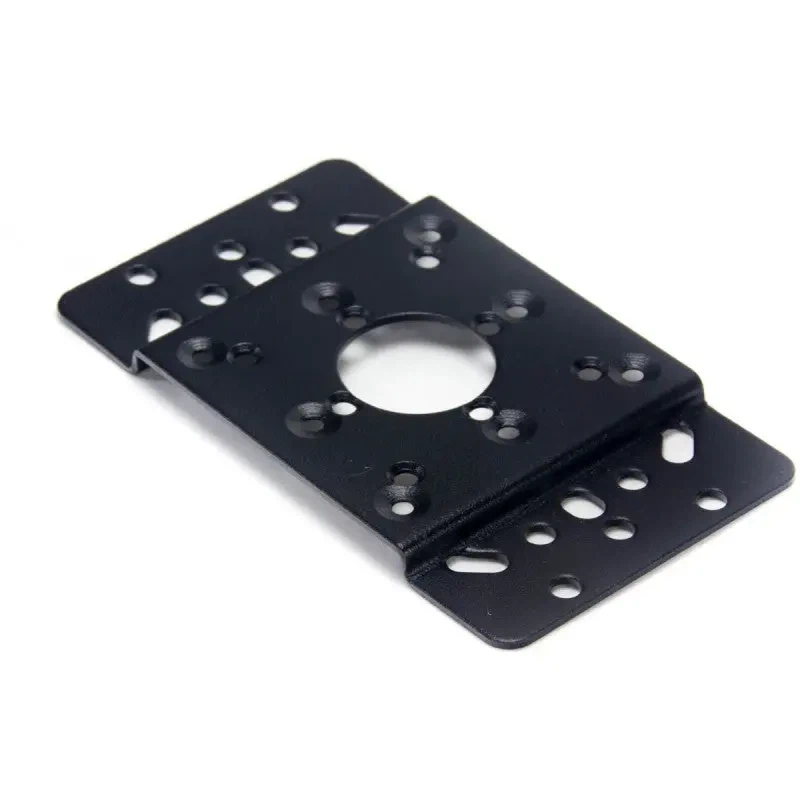
Before we delve into the installation process, it's important to understand what a Mounting Adapter Plate is and its purpose. A Mounting Adapter Plate is a component used to connect different parts of a machine or equipment. It provides a stable base for mounting other components, such as motors, sensors, or actuators. The plate is typically made of metal or plastic and is designed to be attached to a surface using various methods, such as bolts, screws, or welding.
Selecting the Right Surface
The first step in securing a Mounting Adapter Plate is to select the right surface. The surface should be flat, clean, and free of any debris or contaminants. It should also be strong enough to support the weight of the plate and the equipment that will be mounted on it. If the surface is not flat, the plate may not sit properly, which can lead to instability and potential damage to the equipment.
Preparing the Surface
Once you have selected the right surface, the next step is to prepare it for installation. This involves cleaning the surface thoroughly to remove any dirt, oil, or grease. You can use a degreaser or a cleaning solution to clean the surface. After cleaning, make sure the surface is dry before proceeding with the installation.
Choosing the Right Mounting Method
There are several mounting methods available for securing a Mounting Adapter Plate to a surface. The most common methods include bolting, screwing, and welding. The choice of mounting method depends on several factors, such as the type of surface, the weight of the plate and the equipment, and the environment in which the equipment will be used.
Bolting
Bolting is one of the most common methods of securing a Mounting Adapter Plate to a surface. It involves using bolts and nuts to attach the plate to the surface. Bolting is a relatively simple and cost-effective method that provides a strong and secure connection. To bolt a Mounting Adapter Plate to a surface, you will need to drill holes in the plate and the surface and then insert the bolts through the holes. Tighten the nuts using a wrench to secure the plate to the surface.
Screwing
Screwing is another common method of securing a Mounting Adapter Plate to a surface. It involves using screws to attach the plate to the surface. Screwing is a quick and easy method that is suitable for lightweight applications. To screw a Mounting Adapter Plate to a surface, you will need to drill holes in the plate and the surface and then insert the screws through the holes. Tighten the screws using a screwdriver to secure the plate to the surface.
Welding
Welding is a more permanent method of securing a Mounting Adapter Plate to a surface. It involves using a welding machine to fuse the plate to the surface. Welding provides a strong and secure connection that is suitable for heavy-duty applications. However, welding requires specialized equipment and skills, and it can be more expensive than other mounting methods. To weld a Mounting Adapter Plate to a surface, you will need to clean the surface and the plate thoroughly and then use a welding machine to fuse the two together.
Installing the Mounting Adapter Plate
Once you have chosen the right mounting method, the next step is to install the Mounting Adapter Plate. This involves aligning the plate with the surface and then attaching it using the chosen mounting method. Make sure the plate is level and centered on the surface before attaching it. If the plate is not level, it may cause the equipment to vibrate or malfunction.

Testing the Installation
After installing the Mounting Adapter Plate, it's important to test the installation to ensure that it is secure and stable. You can do this by applying a small amount of pressure to the plate and checking for any movement or vibration. If the plate moves or vibrates, it may indicate that the installation is not secure and needs to be rechecked.
Tips for Securing a Mounting Adapter Plate
Here are some tips to help you secure a Mounting Adapter Plate to a surface effectively:
- Use the right tools: Make sure you have the right tools for the job, such as a drill, a wrench, or a screwdriver. Using the wrong tools can damage the plate or the surface and make the installation more difficult.
- Follow the manufacturer's instructions: Always follow the manufacturer's instructions when installing a Mounting Adapter Plate. The instructions will provide you with the specific steps and guidelines for installing the plate correctly.
- Use the right fasteners: Make sure you use the right fasteners for the job, such as bolts, screws, or nuts. Using the wrong fasteners can cause the plate to loosen or come off over time.
- Check the torque: When tightening the bolts or screws, make sure you use the right torque. Over-tightening the bolts or screws can damage the plate or the surface, while under-tightening can cause the plate to loosen or come off.
- Inspect the installation regularly: Regularly inspect the installation to ensure that the plate is still secure and stable. If you notice any signs of damage or wear, such as cracks or rust, replace the plate or the fasteners immediately.
Conclusion
Securing a Mounting Adapter Plate to a surface is a crucial process that requires careful planning and execution. By following the steps and tips outlined in this blog post, you can ensure that your Mounting Adapter Plate is installed correctly and securely. If you have any questions or need further assistance, please don't hesitate to contact us. We are a leading supplier of Mounting Adapter Plate, Positioning Base Plate, and Automation Equipment Enclosure, and we are committed to providing our customers with the highest quality products and services.
References
- "Mounting Adapter Plate Installation Guide," Manufacturer's Manual.
- "Best Practices for Securing Equipment to Surfaces," Industry Standards Publication.


