

As a seasoned supplier of special-shaped connectors, I've witnessed firsthand the crucial role these components play in various industries. Special-shaped connectors are designed to meet specific requirements that standard connectors can't fulfill, making them indispensable in applications where unique shapes, sizes, or functions are needed. In this blog post, I'll delve into the installation requirements for special-shaped connectors, offering insights and best practices based on my years of experience in the field.
Understanding Special-Shaped Connectors
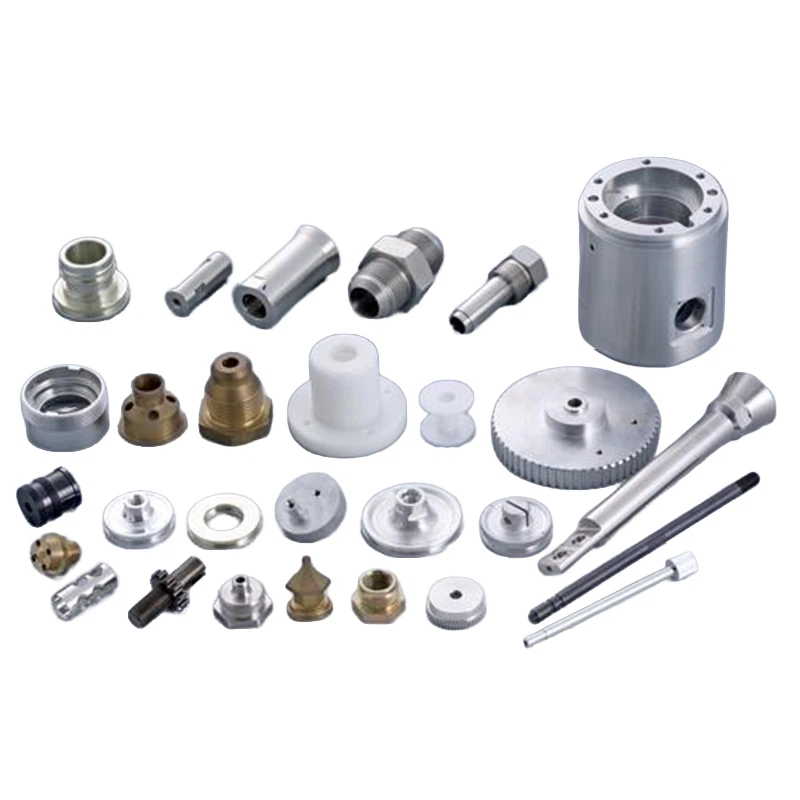
Before we dive into the installation requirements, it's essential to understand what special-shaped connectors are and why they're used. Special-shaped connectors are custom-designed to fit specific applications, such as in Special Purpose Machine Parts, where standard connectors may not be suitable due to space constraints, environmental conditions, or specific electrical requirements. These connectors can come in a wide range of shapes, including circular, rectangular, triangular, and even irregular shapes, depending on the application.
Installation Requirements
1. Compatibility
The first and most crucial requirement for installing special-shaped connectors is compatibility. This includes both mechanical and electrical compatibility. Mechanically, the connector must fit precisely into the designated space and align with the mating connector or device. Electrical compatibility ensures that the connector can handle the required voltage, current, and signal integrity. Before installation, it's essential to verify that the connector's specifications match the requirements of the application.
2. Environmental Considerations
Special-shaped connectors are often used in harsh environments, such as industrial settings, automotive applications, or aerospace. Therefore, it's crucial to consider the environmental conditions during installation. Factors such as temperature, humidity, vibration, and exposure to chemicals or dust can affect the performance and lifespan of the connector. For example, in high-temperature environments, the connector must be made of materials that can withstand the heat without degrading. Similarly, in wet or corrosive environments, the connector should be sealed to prevent moisture or chemical ingress.
3. Proper Handling
Proper handling of special-shaped connectors is essential to prevent damage during installation. These connectors are often delicate and can be easily damaged if mishandled. When handling the connector, it's important to wear gloves to prevent fingerprints and contaminants from affecting the electrical contacts. Additionally, avoid applying excessive force or pressure during installation, as this can cause the connector to deform or break.
4. Installation Tools
Using the right installation tools is crucial for ensuring a proper and secure installation. Depending on the type of connector, different tools may be required. For example, some connectors may require a specialized crimping tool to ensure a proper electrical connection. Others may require a torque wrench to tighten the screws or bolts to the correct specification. It's important to use the tools recommended by the connector manufacturer to ensure a reliable installation.
5. Alignment and Orientation
Proper alignment and orientation are critical for the successful installation of special-shaped connectors. These connectors are often designed with specific keying or polarization features to ensure they are installed correctly. Before installation, carefully align the connector with the mating connector or device, ensuring that the pins or contacts are properly aligned. Incorrect alignment can lead to poor electrical connections, signal loss, or even damage to the connector.
6. Sealing and Protection
In many applications, special-shaped connectors need to be sealed to protect them from environmental factors such as moisture, dust, and chemicals. Sealing can be achieved using gaskets, O-rings, or potting compounds. It's important to ensure that the sealing materials are compatible with the connector and the application environment. Additionally, proper sealing techniques should be used to ensure a tight and reliable seal.
7. Testing and Inspection
After installation, it's essential to test and inspect the connector to ensure it is functioning properly. This includes electrical testing to verify the continuity, insulation resistance, and signal integrity. Visual inspection should also be conducted to check for any signs of damage or improper installation. If any issues are detected, the connector should be re-installed or replaced as necessary.
Real-World Examples
To illustrate the importance of these installation requirements, let's consider a few real-world examples.
Example 1: Automotive Applications
In automotive applications, special-shaped connectors are used in various systems, such as the engine control unit (ECU), sensors, and lighting systems. These connectors are often exposed to high temperatures, vibrations, and moisture. Therefore, proper installation is crucial to ensure reliable performance. For example, in the engine compartment, the connectors must be sealed to prevent moisture and dirt from entering, which could cause electrical shorts or corrosion. Additionally, the connectors must be properly aligned and tightened to ensure a secure electrical connection.
Example 2: Industrial Automation
In industrial automation, special-shaped connectors are used in Machine Table Support Plate and other equipment. These connectors are often used in high-vibration environments, where proper installation is essential to prevent loose connections or damage. For example, in a robotic arm, the connectors must be securely fastened to withstand the vibrations and movements of the arm. Additionally, the connectors must be compatible with the electrical requirements of the equipment to ensure reliable operation.
Example 3: Aerospace Applications
In aerospace applications, special-shaped connectors are used in critical systems, such as avionics, communication systems, and navigation equipment. These connectors must meet strict safety and reliability requirements. For example, in an aircraft's flight control system, the connectors must be installed correctly to ensure the proper operation of the system. Any loose connections or improper installation could lead to catastrophic consequences.
Conclusion
In conclusion, the installation requirements for special-shaped connectors are crucial for ensuring their reliable performance and longevity. By understanding the compatibility, environmental considerations, proper handling, installation tools, alignment and orientation, sealing and protection, and testing and inspection requirements, you can ensure a successful installation. As a supplier of special-shaped connectors, I'm committed to providing high-quality products and technical support to help you meet your specific needs.

If you're interested in learning more about our special-shaped connectors or have any questions about installation requirements, please feel free to contact us for a consultation. We look forward to working with you to find the best solution for your application.
References
- Manufacturer's specifications and installation guides for special-shaped connectors.
- Industry standards and best practices for connector installation.
- Case studies and real-world examples of successful connector installations.


