

In the dynamic landscape of industrial manufacturing and technological innovation, the question of whether special parts can be used in multiple applications is both relevant and crucial. As a supplier of special parts, I have witnessed firsthand the diverse ways in which these components can be adapted and utilized across various industries. This blog post aims to explore the potential of special parts in multiple applications, drawing on real - world examples and industry insights.
The Nature of Special Parts
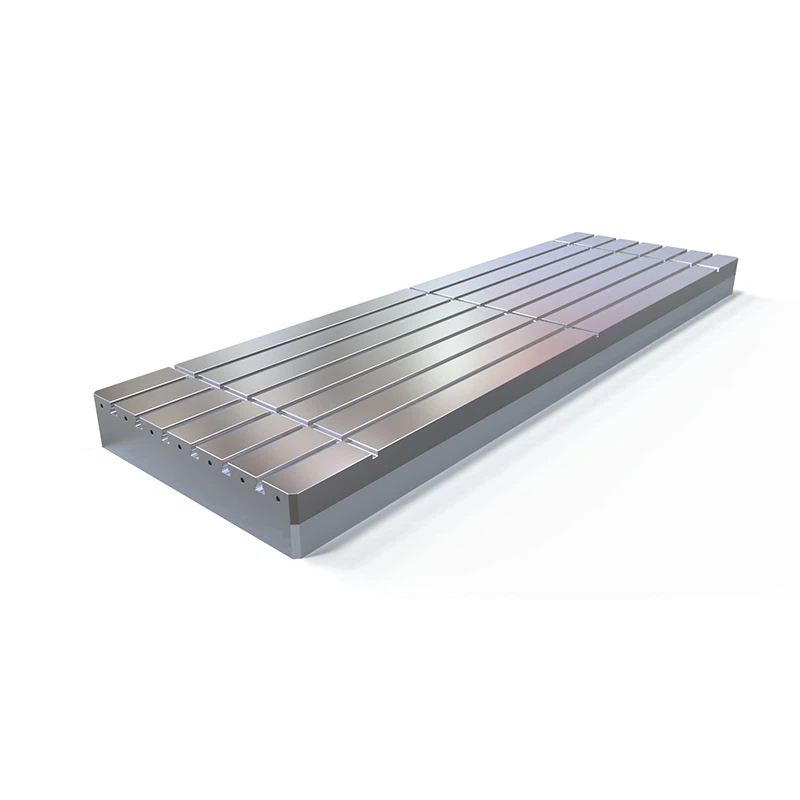
Special parts are designed to meet specific requirements that standard off - the - shelf components cannot fulfill. They are often characterized by unique shapes, materials, or performance characteristics. For instance, a Machine Table Support Plate is engineered to provide stable support for heavy machinery on a table. Its design takes into account factors such as load capacity, vibration resistance, and precision alignment. This special part is not only tailored to a particular machine but can also be used in different types of machines with similar support requirements.
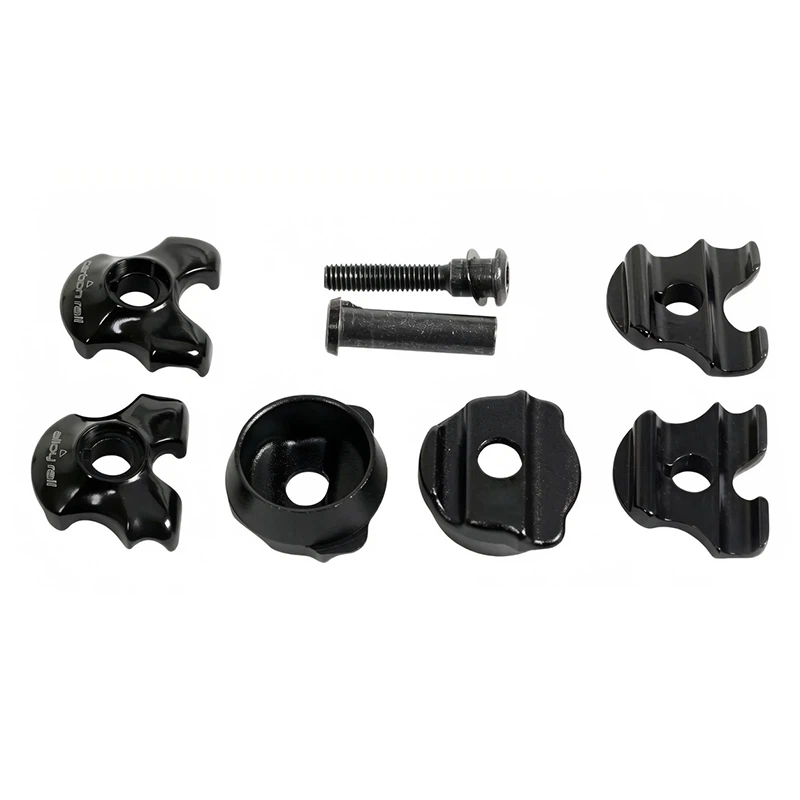
Another example is the Special - shaped Connector. These connectors are crafted to establish reliable electrical or mechanical connections in complex systems. Their non - standard shapes are designed to fit into specific spaces or to provide a unique connection mechanism. Despite their specialized nature, they can be employed in a variety of electronic and mechanical devices, depending on the compatibility of the connection requirements.
Advantages of Using Special Parts in Multiple Applications
Cost - Efficiency
One of the primary advantages of using special parts in multiple applications is cost - efficiency. Developing a special part involves significant investment in research, design, and manufacturing. By making these parts applicable to multiple uses, the cost per unit can be significantly reduced. For example, if a company manufactures a special part for a single application, the high development cost is spread over a limited number of units. However, when the same part can be used in multiple applications, the cost is distributed over a larger volume, resulting in lower costs for each application.
Time - Saving
Time is a critical factor in any manufacturing process. Using special parts that can be adapted to multiple applications saves time in the design and development phases. Instead of creating new parts for each application, engineers can select an existing special part and modify it slightly to fit the specific requirements. This reduces the time required for prototyping and testing, allowing products to reach the market faster.
Innovation and Flexibility
Special parts that can be used in multiple applications encourage innovation. Engineers are forced to think creatively about how to adapt these parts to different scenarios. This flexibility can lead to the development of new products and solutions that were not previously possible. For example, a Core Assemblies for Specialized Instruments can be used in different types of instruments, enabling the creation of hybrid instruments that combine the functions of multiple devices.
Challenges in Using Special Parts in Multiple Applications
Compatibility Issues
One of the main challenges in using special parts in multiple applications is compatibility. Special parts are often designed with specific materials, dimensions, and performance characteristics in mind. When applying them to different applications, there may be issues with fitting, electrical or mechanical compatibility, and performance. For example, a special - shaped connector may not fit into a different device if the connection interface is not compatible.
Customization Requirements
While special parts can be used in multiple applications, some level of customization may be required. This can add complexity and cost to the manufacturing process. For example, a machine table support plate may need to be modified to fit different machine sizes or load requirements. This customization process requires additional engineering and manufacturing resources.
Real - World Examples
In the automotive industry, special parts such as high - performance engine components can be used in multiple vehicle models. A turbocharger, for example, can be designed to be compatible with different engine configurations. By making small adjustments to the turbocharger's specifications, it can be used in a variety of cars, trucks, and even some industrial vehicles.
In the aerospace industry, special parts like lightweight composite materials are used in multiple applications. These materials can be used in the construction of aircraft wings, fuselages, and even satellite components. Their high strength - to - weight ratio makes them suitable for a wide range of aerospace applications.
Strategies for Maximizing the Use of Special Parts in Multiple Applications
Standardization
Standardizing the design and manufacturing processes of special parts can increase their usability in multiple applications. By establishing common design principles and manufacturing standards, it becomes easier to adapt special parts to different requirements. For example, using standardized connection interfaces for special - shaped connectors can make them more compatible with a wider range of devices.
Modular Design
Adopting a modular design approach allows special parts to be easily combined and reconfigured for different applications. For example, a modular core assembly for specialized instruments can be composed of different modules that can be swapped or added depending on the specific requirements of the instrument.
Conclusion
In conclusion, special parts can indeed be used in multiple applications, offering significant advantages in terms of cost - efficiency, time - saving, and innovation. However, there are also challenges such as compatibility issues and customization requirements that need to be addressed. By implementing strategies such as standardization and modular design, the potential of special parts in multiple applications can be maximized.
As a supplier of special parts, we are committed to providing high - quality components that can be adapted to a wide range of applications. If you are interested in exploring how our special parts can meet your specific needs, we invite you to contact us for a procurement discussion. Our team of experts is ready to assist you in finding the best solutions for your projects.
References
- Smith, J. (2019). "The Role of Special Parts in Modern Manufacturing". Journal of Industrial Engineering.
- Johnson, A. (2020). "Advantages and Challenges of Using Special Parts in Multiple Applications". International Journal of Engineering and Technology.
- Brown, C. (2021). "Strategies for Maximizing the Use of Special Parts". Manufacturing Review.


