

As a supplier of Positioning Base Plates, I've seen firsthand the importance of wear - resistance in these components. In industrial applications, a positioning base plate is often subjected to constant friction, impact, and abrasion. If it doesn't have good wear - resistance, it can lead to frequent replacements, increased costs, and production downtime. So, let's talk about how we can increase the wear - resistance of a Positioning Base Plate.
1. Material Selection
The first step in enhancing wear - resistance is choosing the right material. High - carbon steel is a popular choice. It has a high carbon content, which gives it excellent hardness and wear - resistance. When carbon is added to steel, it forms carbides, which are hard particles that can withstand abrasion. For example, AISI 1045 steel, with a carbon content of around 0.45%, is often used in manufacturing positioning base plates.
Another option is alloy steel. Alloy steels are made by adding elements like chromium, nickel, and molybdenum to the base steel. These elements improve the strength, hardness, and wear - resistance of the steel. For instance, 4140 alloy steel contains chromium and molybdenum, which enhance its ability to resist wear and deformation.
Stainless steel can also be considered, especially in applications where corrosion resistance is required in addition to wear - resistance. 304 and 316 stainless steels are common choices. They have good corrosion resistance and can also withstand a certain degree of wear.
2. Surface Treatments
Surface treatments are a great way to boost the wear - resistance of a positioning base plate. One of the most common surface treatments is heat treatment. Heat treatment processes like quenching and tempering can significantly increase the hardness of the base plate. During quenching, the base plate is heated to a high temperature and then rapidly cooled. This creates a hard martensitic structure. Tempering is then done to relieve the internal stresses and improve the toughness of the material.
Another surface treatment option is nitriding. Nitriding involves diffusing nitrogen into the surface of the base plate. This forms a hard nitride layer on the surface, which has excellent wear - resistance. It also improves the corrosion resistance of the base plate. There are different types of nitriding, such as gas nitriding and ion nitriding.
Coating is also an effective way to enhance wear - resistance. For example, a ceramic coating can be applied to the surface of the base plate. Ceramic coatings are very hard and can provide a protective layer against abrasion. They also have good thermal stability, which is beneficial in high - temperature applications.
3. Design Considerations
The design of the positioning base plate can also have a significant impact on its wear - resistance. First, the shape of the base plate should be designed to minimize stress concentrations. Sharp corners and edges can cause stress to build up, which can lead to premature wear. Rounded corners and smooth transitions are preferred.
Proper lubrication is also crucial. The base plate should be designed with lubrication channels or grooves. These channels can help distribute lubricant evenly across the surface of the base plate, reducing friction and wear. You can use different types of lubricants, such as oil - based or grease - based lubricants, depending on the application.
In addition, the base plate should be designed to be easily replaceable. This can reduce the downtime when the base plate needs to be replaced due to wear. For example, using a modular design where the base plate can be quickly removed and replaced without having to disassemble the entire system.
4. Quality Control
Quality control is essential in ensuring the wear - resistance of the positioning base plate. During the manufacturing process, strict quality control measures should be in place. This includes inspecting the raw materials for any defects, monitoring the manufacturing process to ensure that the base plate is produced according to the specifications, and conducting final inspections before the base plate is shipped.
Non - destructive testing methods can be used to detect any internal defects in the base plate. For example, ultrasonic testing can be used to detect cracks or other flaws inside the material. This can help identify any potential issues that could affect the wear - resistance of the base plate.
5. Use of Related Components
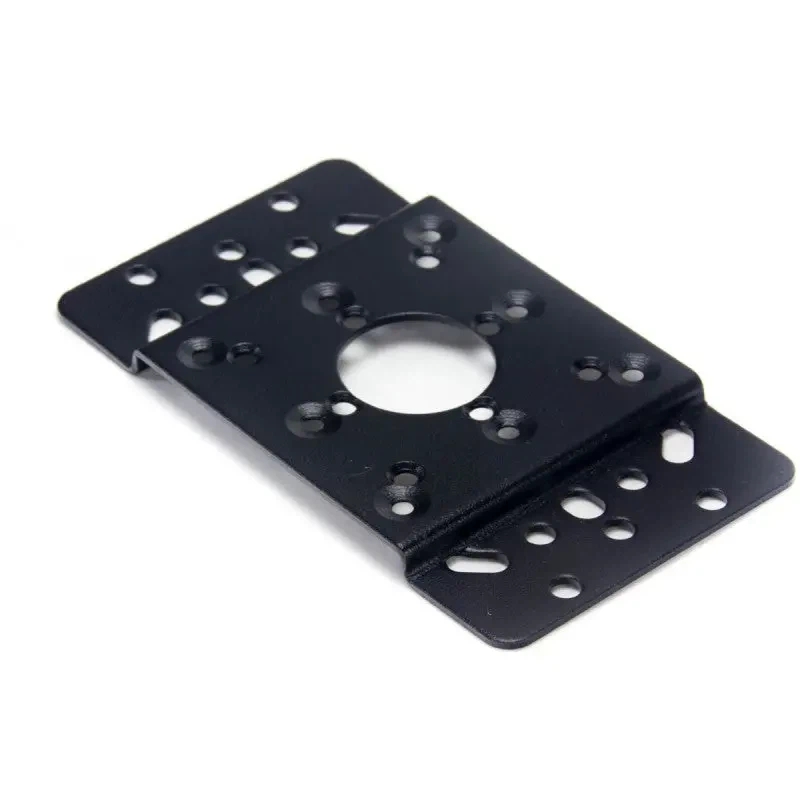
Using related components can also contribute to the wear - resistance of the positioning base plate. For example, a Mounting Adapter Plate can be used to properly mount the base plate. A well - designed mounting adapter plate can ensure that the base plate is securely attached and that the load is evenly distributed. This can reduce the stress on the base plate and improve its wear - resistance.
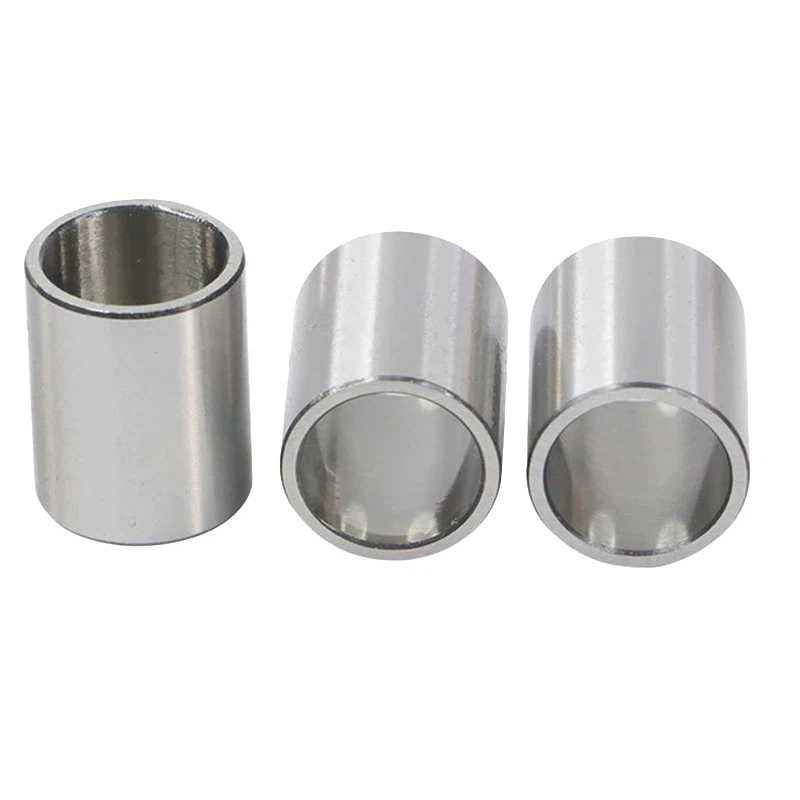
Similarly, a Shaft Sleeve Bushing can be used in applications where the base plate is in contact with a shaft. The shaft sleeve bushing can reduce the friction between the shaft and the base plate, thus reducing wear.
A Robot Joint Spindle can also be used in robotic applications. It can help in the smooth movement of the robot and reduce the wear on the positioning base plate due to the movement of the robot.
Conclusion
Increasing the wear - resistance of a positioning base plate is a multi - faceted process. It involves choosing the right material, applying appropriate surface treatments, considering the design, implementing quality control measures, and using related components. By taking these steps, we can ensure that the positioning base plate has a longer service life, reduces maintenance costs, and improves the overall efficiency of the industrial system.
If you're interested in purchasing high - quality positioning base plates with excellent wear - resistance, feel free to contact us for a detailed discussion. We're here to help you find the best solution for your specific needs.
References
- ASM Handbook, Volume 4: Heat Treating
- Metals Handbook Desk Edition, Third Edition
- Tribology Handbook, Second Edition


