

Hey there! As a supplier of Robot Joint Spindles, I've been getting a lot of questions about the dust-proof and waterproof requirements for these spindles. So, I thought I'd take a moment to share some insights on this topic.
First off, let's talk about why dust and water can be such a big deal for robot joint spindles. Dust particles can find their way into the spindle's moving parts, causing abrasion and wear over time. This can lead to decreased performance, increased noise, and even premature failure of the spindle. Water, on the other hand, can cause corrosion and electrical short circuits, which can also seriously damage the spindle.
Dust-Proof Requirements
When it comes to dust-proofing, there are a few key factors to consider. The first is the level of dust in the environment where the robot will be operating. If the robot is going to be used in a cleanroom or a relatively dust-free environment, the dust-proof requirements may be less stringent. However, if the robot is going to be used in a factory setting or an outdoor environment, where there is a lot of dust and debris, the dust-proof requirements will be much higher.
One of the most effective ways to protect a robot joint spindle from dust is to use a Mounting Adapter Plate. This plate can be used to seal the spindle and prevent dust from entering. It's important to choose a mounting adapter plate that is made from a durable material and has a good seal to ensure maximum protection.
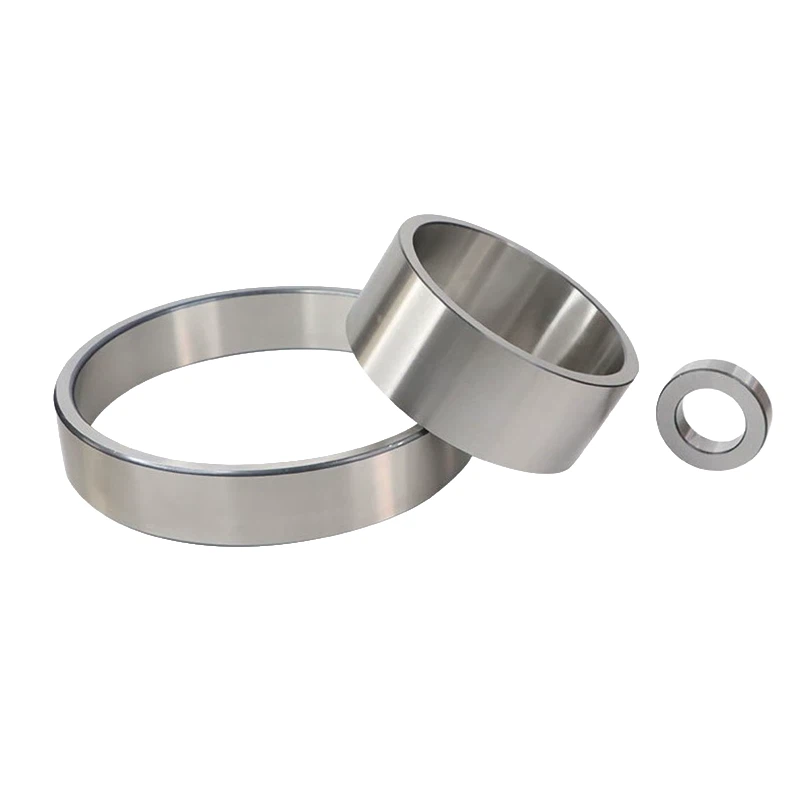
Another important consideration is the use of Shaft Sleeve Bushings. These bushings can help to reduce friction and wear on the spindle, as well as prevent dust from entering the spindle's moving parts. They are typically made from a high-quality material, such as bronze or plastic, and are designed to fit snugly around the spindle shaft.

In addition to using a mounting adapter plate and shaft sleeve bushings, it's also important to keep the spindle clean. Regular cleaning can help to remove any dust or debris that may have accumulated on the spindle, which can help to prevent damage and extend the life of the spindle.
Waterproof Requirements
Just like dust, water can also cause serious damage to a robot joint spindle. Water can enter the spindle through small cracks or openings, causing corrosion and electrical short circuits. To prevent this from happening, it's important to ensure that the spindle is properly sealed and protected from water.
One of the most effective ways to protect a robot joint spindle from water is to use an Automation Equipment Enclosure. This enclosure can be used to seal the spindle and prevent water from entering. It's important to choose an enclosure that is made from a waterproof material and has a good seal to ensure maximum protection.
Another important consideration is the use of waterproof seals and gaskets. These seals and gaskets can be used to seal the spindle and prevent water from entering through small cracks or openings. They are typically made from a high-quality material, such as rubber or silicone, and are designed to fit snugly around the spindle.
In addition to using an automation equipment enclosure and waterproof seals and gaskets, it's also important to keep the spindle dry. If the spindle gets wet, it should be dried as soon as possible to prevent corrosion and damage.
Testing and Certification
To ensure that a robot joint spindle meets the dust-proof and waterproof requirements, it's important to have it tested and certified. There are a number of different testing standards and certifications available, such as IP ratings, which can be used to determine the level of protection that a spindle provides against dust and water.
When choosing a robot joint spindle, it's important to look for one that has been tested and certified to meet the relevant standards. This can help to ensure that the spindle will provide reliable performance and protection in a variety of environments.
Conclusion
In conclusion, dust and water can be a big problem for robot joint spindles. To ensure that your spindle provides reliable performance and protection, it's important to choose a spindle that meets the dust-proof and waterproof requirements. This can be achieved by using a mounting adapter plate, shaft sleeve bushings, an automation equipment enclosure, and waterproof seals and gaskets. It's also important to have the spindle tested and certified to ensure that it meets the relevant standards.
If you're in the market for a Robot Joint Spindle and have any questions about the dust-proof and waterproof requirements, feel free to reach out to us. We'd be happy to help you find the right spindle for your needs. Let's start a conversation about your procurement requirements and see how we can work together to get you the best solution.
References
- General knowledge about robot joint spindles and industrial automation components.
- Industry standards and guidelines for dust and water protection in machinery.


