

Power equipment is the backbone of modern industries, powering everything from small household appliances to large industrial complexes. As a supplier of power equipment parts, I've had the privilege of working with a wide range of materials. In this blog, I'll share what materials power equipment parts are usually made of and why these materials are chosen.
Metals
Metals are the most commonly used materials for power equipment parts. They offer a combination of strength, durability, and electrical conductivity that is hard to beat.
Steel
Steel is a go - to material for many power equipment parts. It's strong, resistant to wear and tear, and can be easily machined into various shapes. For example, in large generators, steel is used to make the frames and shafts. The frames need to be strong enough to support the heavy components of the generator, while the shafts need to be able to withstand high - speed rotation and torque. Steel's high tensile strength makes it ideal for these applications.
Aluminum
Aluminum is another popular metal in power equipment manufacturing. It's lightweight, which is a significant advantage, especially in applications where weight is a concern, such as in portable power generators. Aluminum also has good corrosion resistance, which helps to extend the lifespan of the parts. In transformers, aluminum is often used for the windings. Its relatively good electrical conductivity and low cost make it a cost - effective alternative to copper.
Copper
Copper is well - known for its excellent electrical conductivity. It's used in a variety of power equipment parts, including electrical wires, busbars, and transformer windings. In electrical wires, copper ensures efficient transmission of electricity with minimal loss. In transformers, high - quality copper windings are crucial for achieving high efficiency and performance. The better the conductivity of the copper, the less energy is wasted as heat during the transformation process.

Ceramics
Ceramics are used in power equipment for their unique properties, such as high - temperature resistance and electrical insulation.
Alumina Ceramics
Alumina ceramics are widely used in power equipment, especially in applications where high - temperature resistance is required. For example, in industrial boilers, alumina ceramic linings can withstand the extreme heat generated during the combustion process. These linings protect the inner walls of the boiler from damage and help to improve the overall efficiency of the boiler. You can find a variety of Industrial Boiler Parts made from alumina ceramics on our website.
Zirconia Ceramics
Zirconia ceramics are known for their excellent mechanical properties and high - temperature stability. They are often used in spark plugs and other ignition systems in power equipment. Zirconia's ability to withstand high temperatures and mechanical stress makes it an ideal material for these critical components.
Polymers
Polymers are used in power equipment for their insulation properties, flexibility, and ease of manufacturing.
Polyvinyl Chloride (PVC)
PVC is a common polymer used in power equipment for insulation purposes. It's used to coat electrical wires to prevent electrical leakage and short - circuits. PVC is also relatively inexpensive and easy to work with, making it a popular choice for many applications.
Silicone Rubber
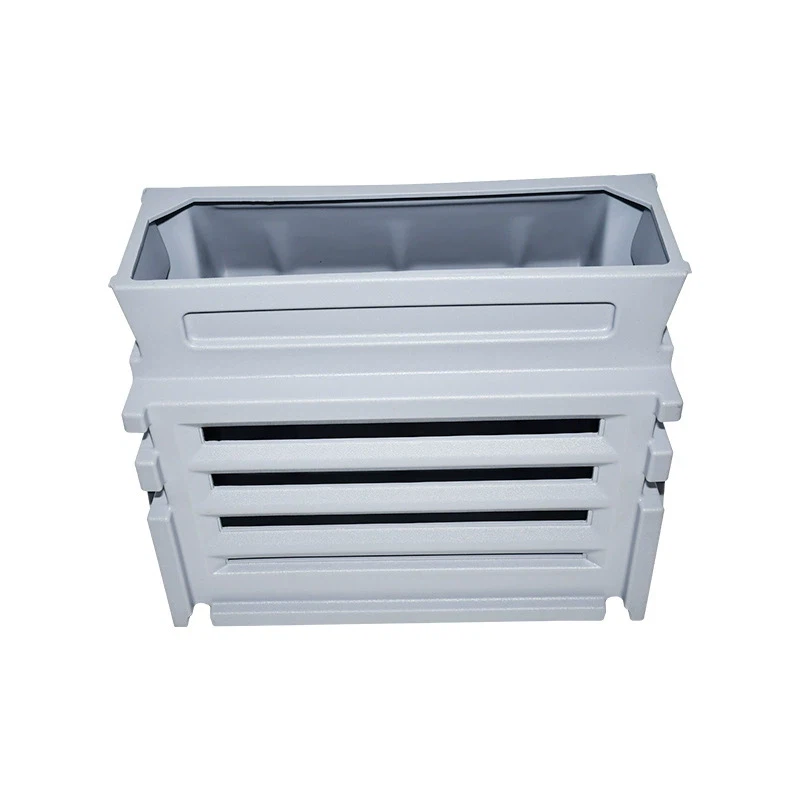
Silicone rubber is known for its high - temperature resistance, flexibility, and excellent electrical insulation properties. It's used in a variety of power equipment parts, such as gaskets and seals. In generators, silicone rubber gaskets are used to prevent the leakage of coolant and lubricants. The Generator Case Cover on our website may use silicone rubber seals for better protection.
Composites
Composites are materials made by combining two or more different materials to achieve specific properties.
Fiberglass Reinforced Plastics (FRP)
FRP is a composite material that combines fiberglass with a plastic matrix. It's lightweight, strong, and has good corrosion resistance. In power equipment, FRP is used to make enclosures and covers. For example, in some transformers, FRP enclosures are used to protect the internal components from environmental factors such as moisture and dust. You can explore Transformer Accessories on our site, where you may find FRP - made parts.
Carbon Fiber Composites
Carbon fiber composites are known for their high strength - to - weight ratio. They are used in high - performance power equipment, such as in some advanced wind turbines. The blades of wind turbines made from carbon fiber composites can be lighter and stronger, which helps to improve the efficiency and performance of the turbines.
Why These Materials?
The choice of materials for power equipment parts depends on several factors. First, the function of the part is crucial. For example, parts that need to conduct electricity, like wires and windings, require materials with high electrical conductivity, such as copper. Parts that need to withstand high temperatures, like boiler linings, need materials with high - temperature resistance, such as ceramics.
Second, durability is an important consideration. Power equipment is often expected to operate for long periods without failure. Materials that are resistant to wear, corrosion, and fatigue are preferred. For instance, steel is used in generator frames because it can withstand the mechanical stress and environmental factors over time.
Cost is also a significant factor. Manufacturers need to balance the performance requirements of the parts with the cost of the materials. Aluminum is often used as an alternative to copper in some applications because it's less expensive while still offering acceptable electrical conductivity.
Conclusion
As a power equipment parts supplier, I understand the importance of choosing the right materials for each part. The materials we use, whether metals, ceramics, polymers, or composites, are carefully selected to ensure the performance, durability, and cost - effectiveness of our products.
If you're in the market for power equipment parts, I encourage you to reach out to us for a detailed discussion. We can help you find the right parts made from the most suitable materials for your specific needs. Whether you need Transformer Accessories, Generator Case Cover, or Industrial Boiler Parts, we've got you covered. Let's work together to meet your power equipment needs!
References
- Callister, W. D., & Rethwisch, D. G. (2018). Materials Science and Engineering: An Introduction. Wiley.
- Ashby, M. F. (2011). Materials Selection in Mechanical Design. Butterworth - Heinemann.


