

Can linear guide bushings be used in machine tool applications? This is a question that often arises in the manufacturing industry. As a supplier of Linear Guide Bushing, I am well - versed in the capabilities and applications of these components. In this blog, we will explore whether linear guide bushings are suitable for machine tool applications and the reasons behind it.
Understanding Linear Guide Bushings
Linear guide bushings are mechanical components designed to provide smooth linear motion along a shaft. They are typically made of high - quality materials such as steel or bronze, which offer excellent wear resistance and durability. These bushings work by reducing friction between the moving parts, allowing for precise and efficient linear movement.
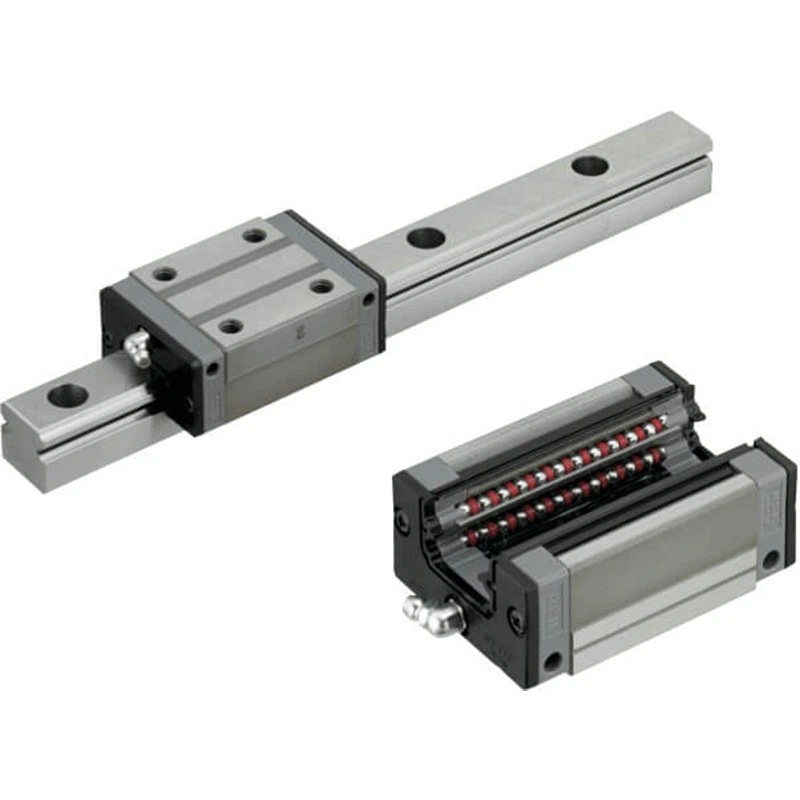
The main function of linear guide bushings is to support and guide the movement of a load along a linear path. They are commonly used in various industries, including automation, robotics, and of course, machine tool applications. The design of linear guide bushings can vary, with different types such as plain bushings, ball bushings, and roller bushings, each with its own set of advantages and disadvantages.
Suitability for Machine Tool Applications
Machine tool applications demand high precision, reliability, and efficiency. Linear guide bushings can meet these requirements in several ways.
Precision
One of the most critical aspects of machine tool operations is precision. Linear guide bushings can provide high - precision linear motion, which is essential for tasks such as milling, turning, and grinding. The smooth movement offered by these bushings ensures that the cutting tools or workpieces move accurately along the desired path, resulting in high - quality finished products.
For example, in a CNC milling machine, the linear guide bushings help to position the cutting tool precisely, allowing for accurate machining of complex shapes. The low friction coefficient of the bushings also means that there is less deviation in the movement, leading to better dimensional accuracy.
Reliability
Machine tools often operate under harsh conditions, including high loads, vibrations, and continuous use. Linear guide bushings are designed to withstand these conditions. Their robust construction and high - quality materials make them resistant to wear and tear. This reliability is crucial in machine tool applications, as any failure of the guiding system can lead to costly downtime and production delays.
For instance, in a heavy - duty lathe, the linear guide bushings need to support the weight of the cutting tool and the workpiece while maintaining smooth movement. The ability of the bushings to handle these loads without significant wear ensures the long - term reliability of the machine.
Efficiency
Efficiency is another key factor in machine tool applications. Linear guide bushings can improve the efficiency of machine tools in several ways. Firstly, their low friction design reduces the energy consumption of the machine. Since less energy is wasted in overcoming friction, the machine can operate more efficiently.
Secondly, the quick and smooth movement provided by linear guide bushings allows for faster machining cycles. This means that more work can be done in less time, increasing the overall productivity of the machine tool.
Types of Linear Guide Bushings for Machine Tools
There are different types of linear guide bushings that can be used in machine tool applications, each with its own characteristics.
Plain Bushings
Plain bushings are the simplest type of linear guide bushings. They are made of a solid material and provide a continuous contact surface with the shaft. Plain bushings are known for their high load - carrying capacity and are suitable for applications where the movement speed is relatively low. In machine tool applications, plain bushings can be used in situations where the load is heavy and the movement is not extremely fast, such as in some large - scale milling machines.
Ball Bushings
Ball bushings use balls to reduce friction between the bushing and the shaft. They offer extremely low friction and high - speed capabilities. Ball bushings are ideal for machine tool applications that require high - speed movement and high precision, such as in high - speed machining centers. The balls roll smoothly along the shaft, allowing for quick and accurate positioning of the cutting tools.
Roller Bushings
Roller bushings use rollers instead of balls. They can handle higher loads compared to ball bushings and are suitable for applications where both high load - carrying capacity and relatively high - speed movement are required. In machine tool applications, roller bushings can be found in heavy - duty lathes and large - scale machining equipment.
Complementary Products in Machine Tool Applications
In addition to Linear Guide Bushing, other related products can also play important roles in machine tool applications.
Precision Instrument Guide Sleeve is a product that can provide even higher precision in guiding. These sleeves are often used in precision machine tools where extremely accurate movement is required. They are designed to have very tight tolerances and can enhance the overall precision of the machine tool.
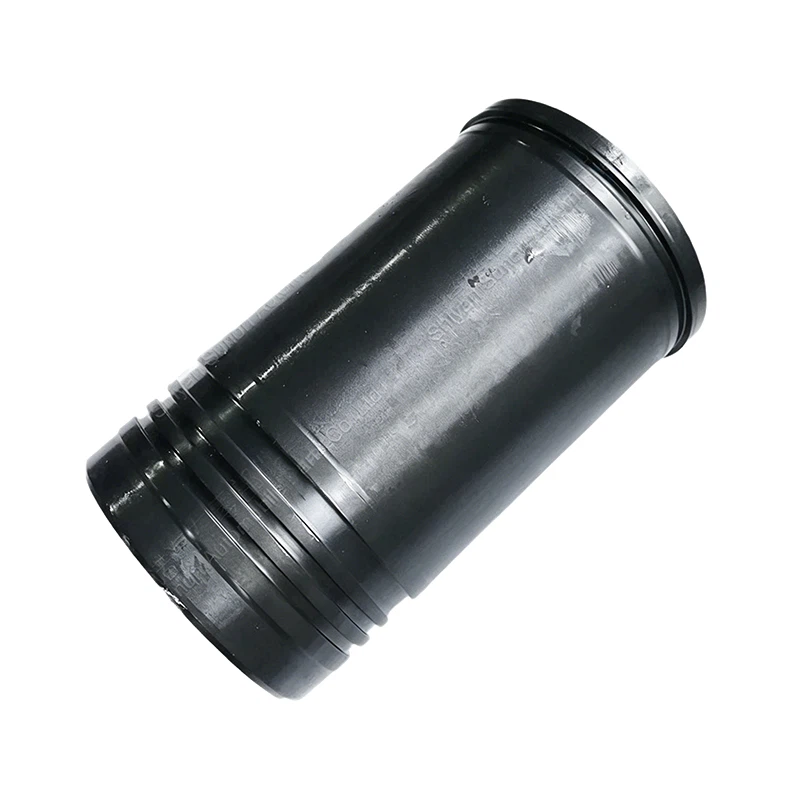
Automotive Cylinder Sleeves are also relevant in some machine tool applications, especially those related to automotive manufacturing. These sleeves are used to line the cylinders in engines and can be machined with high precision using machine tools. The quality of these sleeves can have a significant impact on the performance of the engine.
Considerations When Using Linear Guide Bushings in Machine Tool Applications
While linear guide bushings offer many advantages for machine tool applications, there are also some considerations that need to be taken into account.
Lubrication
Proper lubrication is essential for the smooth operation of linear guide bushings. Insufficient lubrication can lead to increased friction, wear, and even damage to the bushings. Different types of linear guide bushings may require different types of lubricants, and it is important to follow the manufacturer's recommendations for lubrication.
Installation
Correct installation of linear guide bushings is crucial. Improper installation can lead to misalignment, which can affect the performance and lifespan of the bushings. It is necessary to ensure that the bushings are installed in a clean and well - aligned environment, following the installation instructions provided by the manufacturer.
Maintenance
Regular maintenance is required to keep the linear guide bushings in good condition. This includes checking for wear, cleaning, and re - lubricating the bushings. By performing regular maintenance, the reliability and performance of the machine tool can be maintained.
Conclusion
In conclusion, linear guide bushings can be effectively used in machine tool applications. Their ability to provide precision, reliability, and efficiency makes them an ideal choice for various machine tool operations. Whether it is for high - speed machining, heavy - duty turning, or precision milling, linear guide bushings can play a crucial role in ensuring the smooth and accurate operation of machine tools.
If you are in the market for high - quality linear guide bushings or related products for your machine tool applications, we would be more than happy to assist you. Our team of experts can provide you with detailed information about our products and help you choose the most suitable solutions for your specific needs. Contact us today to start a procurement discussion and take your machine tool operations to the next level.
References
- Smith, J. (2018). "Linear Motion Systems in Machine Tools". Manufacturing Technology Journal.
- Johnson, A. (2019). "Precision Components for Machine Tool Applications". Industrial Engineering Magazine.
- Brown, C. (2020). "Advances in Linear Guide Bushing Technology". Mechanical Engineering Review.


