

Power equipment parts play a crucial role in various industries, powering machinery and ensuring the smooth operation of facilities. However, when it comes to explosive environments, the question of whether power equipment parts can be used safely becomes a critical concern. As a power equipment parts supplier, I have encountered numerous inquiries regarding the suitability of our products in such hazardous settings. In this blog, I will delve into the factors that determine the usability of power equipment parts in explosive environments, the necessary safety measures, and the types of parts that are commonly used.
Understanding Explosive Environments
Explosive environments are areas where flammable gases, vapors, mists, or dusts are present in sufficient quantities to create an explosion hazard. These environments can be found in industries such as oil and gas, chemical processing, mining, and manufacturing. The presence of explosive substances requires special precautions to prevent ignition sources from triggering an explosion.
Factors Affecting the Usability of Power Equipment Parts in Explosive Environments
Several factors need to be considered when determining whether power equipment parts can be used in explosive environments. These factors include:
- Flammability of the Environment: The type and concentration of flammable substances in the environment determine the level of risk. Different explosive atmospheres are classified into zones based on the likelihood of the presence of flammable substances. For example, Zone 0 is an area where an explosive gas atmosphere is present continuously or for long periods, while Zone 2 is an area where an explosive gas atmosphere is not likely to occur in normal operation and, if it does occur, will exist only for a short time.
- Ignition Sources: Power equipment parts can act as ignition sources if they generate sparks, heat, or static electricity. The design and construction of the parts need to prevent the generation of these ignition sources or ensure that they are contained within a safe enclosure.
- Temperature Class: The temperature class of a power equipment part indicates the maximum surface temperature that the part can reach without igniting the surrounding flammable substances. Different explosive atmospheres have different temperature requirements, and the parts need to be selected accordingly.
- Certification: Power equipment parts used in explosive environments need to be certified to meet the relevant safety standards. These standards ensure that the parts have been tested and approved for use in specific explosive atmospheres.
Safety Measures for Using Power Equipment Parts in Explosive Environments
To ensure the safe use of power equipment parts in explosive environments, the following safety measures should be implemented:
- Proper Selection of Parts: Only parts that are specifically designed and certified for use in explosive environments should be used. This includes selecting parts with the appropriate temperature class, protection level, and ignition protection type.
- Installation and Maintenance: Power equipment parts should be installed and maintained by qualified personnel in accordance with the manufacturer's instructions. Regular inspections and maintenance are essential to ensure that the parts are in good working condition and do not pose a safety risk.
- Grounding and Bonding: Proper grounding and bonding of power equipment parts are crucial to prevent the buildup of static electricity, which can act as an ignition source.
- Training and Education: Personnel working in explosive environments should receive proper training and education on the safe use of power equipment parts. This includes understanding the hazards associated with explosive atmospheres, the proper selection and installation of parts, and the emergency procedures in case of an explosion.
Types of Power Equipment Parts Used in Explosive Environments
There are several types of power equipment parts that are commonly used in explosive environments. These parts are designed to meet the specific safety requirements of these environments. Some of the common types of parts include:
- Transformer Accessories: Transformers are essential components in power systems. In explosive environments, transformer accessories such as bushings, tap changers, and cooling systems need to be designed to prevent the release of flammable substances and to contain any potential ignition sources.
- Industrial Boiler Parts: Industrial boilers are used in various industries to generate steam or hot water. In explosive environments, boiler parts such as burners, valves, and controls need to be designed to prevent the ignition of flammable gases or vapors.
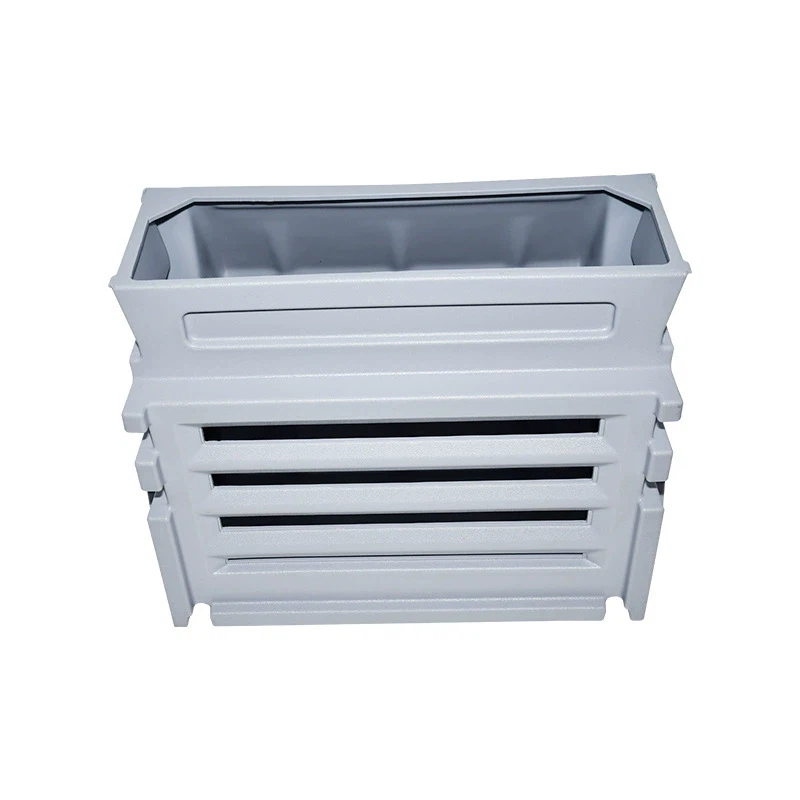
- Generator Case Cover: Generators are used to provide backup power in case of a power outage. In explosive environments, the generator case cover needs to be designed to prevent the release of flammable gases or vapors and to contain any potential ignition sources.
Conclusion
In conclusion, power equipment parts can be used in explosive environments, but only if they are specifically designed and certified for use in these environments. The selection, installation, and maintenance of these parts need to be carried out in accordance with the relevant safety standards to ensure the safety of personnel and equipment. As a power equipment parts supplier, we are committed to providing our customers with high-quality parts that meet the strict safety requirements of explosive environments. If you are in need of power equipment parts for use in explosive environments, please do not hesitate to contact us for more information and to discuss your specific requirements. We look forward to working with you to ensure the safe and efficient operation of your facilities.
References
- IEC 60079-0:2017, Explosive atmospheres - Part 0: General requirements.
- IEC 60079-1:2014, Explosive atmospheres - Part 1: Equipment protection by flameproof enclosures "d".
- IEC 60079-7:2015, Explosive atmospheres - Part 7: Equipment protection by increased safety "e".


