

Hey there! As an automation parts supplier, I've seen firsthand the amazing benefits that automation parts bring to various industries. They can boost efficiency, cut down on human error, and save a ton of time. But like anything in life, they're not without their limitations. Let's dive into some of these limitations so you can make more informed decisions when it comes to using automation parts.
High Initial Investment
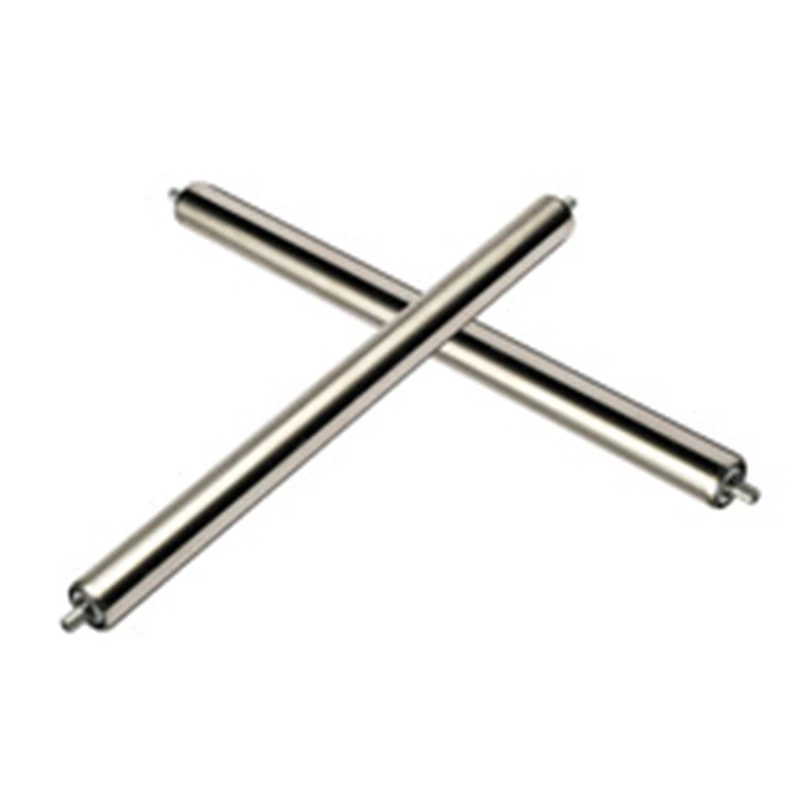
One of the biggest limitations of automation parts is the high upfront cost. When you're looking to automate a process, you've got to shell out a significant amount of money for the parts, installation, and programming. For example, if you're thinking about getting an Industrial Drive Shaft, you're not just paying for the shaft itself. You also need to consider the cost of integrating it into your existing system, making sure it's compatible, and training your staff to use it properly. This can be a real barrier for small and medium - sized businesses that may not have the capital to invest in such expensive equipment right away.
Technical Complexity
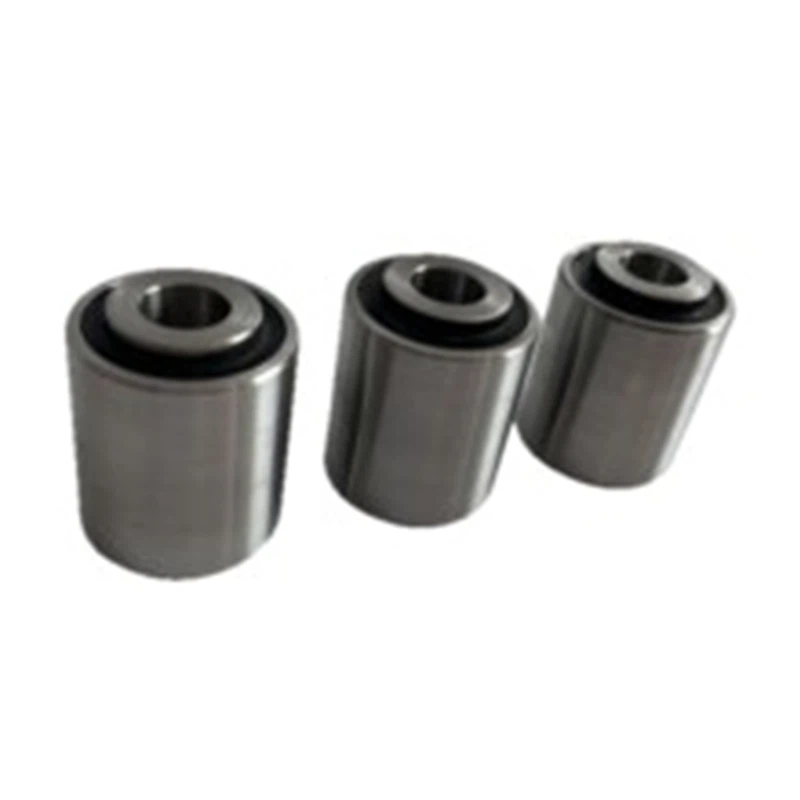
Automation parts are often highly technical. They require specialized knowledge to install, operate, and maintain. If you don't have a team of experts on hand, you might run into all sorts of problems. For instance, a Hydraulic Pins and Bushings system can be quite complex. It involves understanding hydraulic principles, fluid dynamics, and how to troubleshoot any issues that might arise. If you try to do it on your own without the proper knowledge, you could end up causing more harm than good. And even if you do have experts, they need to keep up with the latest technology and advancements, which means continuous training and education.
Lack of Flexibility
Automation parts are designed to perform specific tasks. Once they're set up, it can be difficult to change their functionality. Let's say you've installed an Automation Equipment Enclosure for a particular type of machinery. If you later decide to change the production process or use different equipment, the enclosure may not be suitable anymore. You might have to spend more money to modify or replace it. In a rapidly changing business environment, this lack of flexibility can be a real drawback.
Dependence on Technology
In today's digital age, automation parts rely heavily on technology. This means that if there's a power outage, a software glitch, or a cyber - attack, your entire automated system could come to a grinding halt. For example, if the control software of your automation parts malfunctions, you won't be able to operate the equipment. And since these systems are often interconnected, a problem in one part can spread and affect the whole production line. It can take a long time to diagnose and fix these issues, resulting in significant downtime and lost productivity.
Job Displacement
While automation can increase efficiency, it also has an impact on the workforce. As more tasks are automated, some jobs may become redundant. This can lead to job losses, especially in industries that rely heavily on manual labor. For example, in a manufacturing plant, if a machine can perform a task that was previously done by a human, that worker may lose their job. This not only affects the individuals but also has broader social and economic implications.
Limited Adaptability to Unforeseen Situations
Automation parts are programmed to perform specific tasks under certain conditions. They may not be able to adapt well to unforeseen situations. For example, if there's a sudden change in the raw materials or a new type of product needs to be produced, the automated system may not be able to handle it. It's like a robot that's programmed to assemble a specific type of widget. If the design of the widget changes slightly, the robot may not know how to proceed.
Maintenance and Repairs
Automation parts require regular maintenance to keep them running smoothly. If you neglect maintenance, it can lead to breakdowns and costly repairs. And when something does go wrong, finding the right replacement parts can be a challenge. Sometimes, the parts are hard to source, or they may be expensive. For example, if a specialized component in an automation system fails, you may have to wait for it to be shipped from the manufacturer, which can cause significant delays in production.
Compatibility Issues
When you're integrating automation parts into an existing system, compatibility can be a major issue. Different parts may have different interfaces, communication protocols, and power requirements. For example, if you're trying to connect a new automation part to an older system, you may run into problems with data transfer or power supply. This can make the integration process more complicated and time - consuming.
Despite these limitations, automation parts still offer a lot of benefits. They can improve quality, increase productivity, and reduce costs in the long run. If you're considering using automation parts in your business, it's important to weigh the pros and cons carefully.
If you're interested in learning more about our automation parts or want to discuss how they can fit into your specific needs, I'd love to have a chat. Just reach out, and we can start a conversation about how we can work together to make your automation goals a reality.
References
- Smith, J. (2020). The Impact of Automation on the Manufacturing Industry. Journal of Industrial Technology.
- Johnson, A. (2019). Challenges and Opportunities in Automation. Business Trends Quarterly.
- Brown, C. (2021). Understanding the Limitations of Automation Parts. Engineering Review.


