

When it comes to using a Mounting Adapter Plate, selecting the right mounting screws is crucial. As a Mounting Adapter Plate supplier, I've seen firsthand the impact that the proper choice of screws can have on the performance and longevity of the entire setup. In this blog, I'll share some key considerations to help you choose the right mounting screws for your Mounting Adapter Plate.
Understanding the Mounting Adapter Plate
Before delving into screw selection, it's essential to understand the nature of the Mounting Adapter Plate. These plates are designed to provide a stable and secure connection between different components. They are commonly used in various industries, including manufacturing, automation, and machinery. The Mounting Adapter Plate acts as an interface, allowing for the proper alignment and attachment of different parts.
Factors to Consider When Choosing Mounting Screws
1. Material Compatibility
The material of the mounting screws must be compatible with the material of the Mounting Adapter Plate. For example, if the plate is made of steel, using steel screws is a logical choice. This ensures that both the plate and the screws have similar expansion and contraction rates under different temperature conditions. Using incompatible materials can lead to corrosion, which weakens the connection over time. For instance, if you use aluminum screws with a steel plate, galvanic corrosion may occur, especially in humid or corrosive environments.
2. Load Capacity
The load capacity of the mounting screws is a critical factor. You need to determine the maximum weight and stress that the Mounting Adapter Plate will be subjected to. This includes the weight of the components attached to the plate, as well as any dynamic forces such as vibrations or shocks. For heavy - duty applications, you'll need screws with a high load - bearing capacity. For example, in industrial machinery where there are large moving parts, high - strength alloy steel screws may be required. On the other hand, for lighter applications such as small electronic devices, standard steel or brass screws may suffice.
3. Screw Size and Thread Type
The size of the screw is determined by the thickness of the Mounting Adapter Plate and the components it is connecting. A screw that is too short may not provide a secure connection, while a screw that is too long can damage the components or protrude through the other side, creating a safety hazard. The thread type also matters. Coarse threads are generally used for softer materials as they provide better grip, while fine threads are suitable for harder materials and applications where a more precise fit is required.
4. Environmental Conditions
The environment in which the Mounting Adapter Plate will be used plays a significant role in screw selection. In outdoor or corrosive environments, such as in marine applications or chemical plants, screws made of corrosion - resistant materials like stainless steel or titanium are necessary. In high - temperature environments, screws with high heat resistance are required to prevent deformation and loss of strength.
5. Head Type
The head type of the screw affects its installation and appearance. Common head types include flat head, round head, and pan head. Flat head screws are often used when a flush surface is required, while round head screws provide a more decorative look. Pan head screws are a good compromise between the two, offering a relatively low - profile appearance while still being easy to install.
Different Types of Mounting Screws and Their Applications
1. Machine Screws
Machine screws are commonly used for Mounting Adapter Plates. They have a uniform thread and are typically used with nuts or tapped holes. Machine screws are available in a variety of materials, including steel, stainless steel, and brass. They are suitable for applications where a precise and secure connection is required, such as in electronic equipment and small machinery.
2. Self - Tapping Screws
Self - tapping screws are designed to create their own threads as they are driven into the material. They are useful when there is no pre - tapped hole or when it is difficult to tap a hole. Self - tapping screws are often used in softer materials like plastic or wood. However, they may not be suitable for high - load applications as their holding power may be limited compared to machine screws.
3. Hex Head Screws
Hex head screws have a hexagonal head that can be tightened using a wrench or socket. They provide a high level of torque and are commonly used in heavy - duty applications. Hex head screws are often used in industrial machinery and construction, where a strong and secure connection is required.
Importance of Quality Screws
Using high - quality mounting screws is essential for the overall performance and safety of the Mounting Adapter Plate. Inferior screws may break or loosen over time, leading to component failure and potential safety hazards. High - quality screws are made from premium materials and are manufactured to strict standards, ensuring a reliable and long - lasting connection.
Related Products
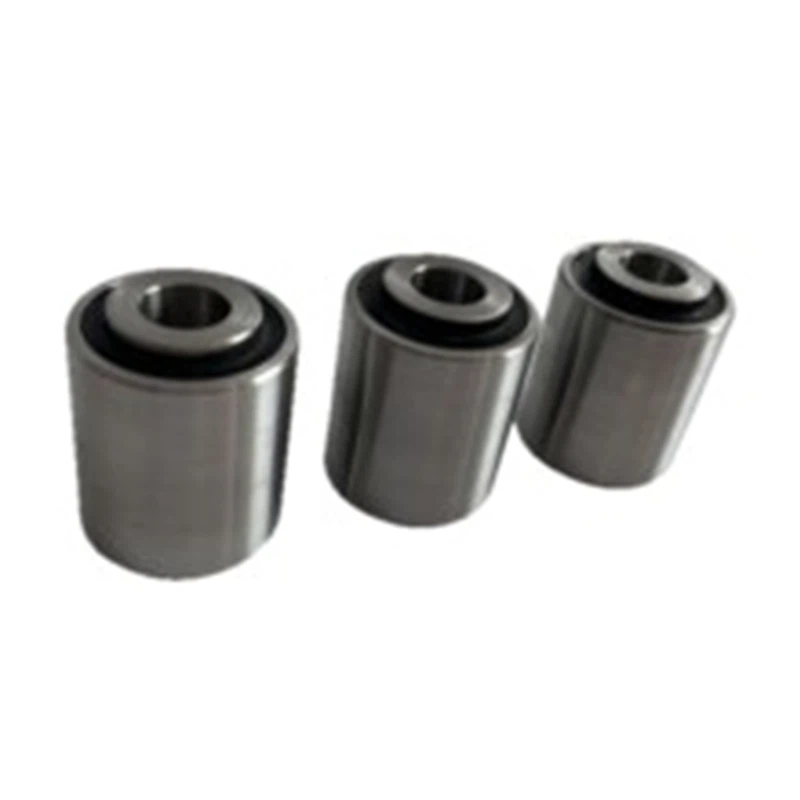
If you're in the market for related products, we also offer Hydraulic Pins and Bushings, Positioning Base Plate, and Industrial Drive Shaft. These products are designed to work in conjunction with Mounting Adapter Plates to provide a complete solution for your industrial needs.
Conclusion
Choosing the right mounting screws for a Mounting Adapter Plate is a multi - faceted decision that requires careful consideration of factors such as material compatibility, load capacity, screw size, thread type, environmental conditions, and head type. By taking these factors into account, you can ensure a secure and reliable connection that will stand the test of time.
If you're interested in purchasing Mounting Adapter Plates or need advice on screw selection, feel free to contact us for a detailed discussion. We are here to help you make the best choices for your specific applications.
References
- Machinery's Handbook, 31st Edition. This comprehensive reference provides detailed information on screws, fasteners, and their applications.
- ASME Standards for Fasteners. These standards outline the requirements for the design, manufacturing, and testing of screws and other fasteners.
- Manufacturer's specifications for Mounting Adapter Plates and screws. These documents provide specific information on the recommended screws for each type of plate.


