

Hey there! As a supplier of Linear Guide Bushings, I often get asked about how to measure the size of these crucial components. It's not as complicated as it might seem at first, but it does require a bit of know - how. In this blog, I'll walk you through the process step by step.
Why Measuring Linear Guide Bushings is Important
Before we dive into the measuring process, let's talk about why it's so important to measure these bushings accurately. A linear guide bushing is a key part in many mechanical systems, especially those that require smooth linear motion. If the bushing size doesn't match the requirements of the system, it can lead to all sorts of problems. You might experience increased friction, reduced efficiency, and even premature wear and tear on the components. So, getting the measurements right is crucial for the proper functioning and longevity of your machinery.
Tools You'll Need
To measure a linear guide bushing, you'll need a few basic tools. A caliper is probably the most essential one. It allows you to measure the diameter, length, and other dimensions with a high degree of accuracy. You can get a digital caliper, which is more precise and easier to read, or an analog one if you prefer. A micrometer can also be useful for very precise measurements, especially when dealing with tight tolerances. And don't forget a ruler or a measuring tape for some of the larger dimensions.
Measuring the Inner Diameter
The inner diameter of the linear guide bushing is one of the most important measurements. To measure it, open your caliper and place the jaws inside the bushing. Make sure the caliper is perpendicular to the axis of the bushing. Gently close the jaws until they touch the inner surface of the bushing. Read the measurement on the caliper display. If you're using an analog caliper, make sure to read the scale accurately. Take a few measurements at different points along the inner surface to ensure consistency. The inner diameter is crucial because it determines the size of the shaft that the bushing will fit on.
Measuring the Outer Diameter
Next up is the outer diameter. Similar to measuring the inner diameter, open the caliper and place the jaws around the outside of the bushing. Again, make sure the caliper is perpendicular to the axis. Close the jaws until they touch the outer surface and read the measurement. The outer diameter is important for determining how the bushing will fit into the housing or other components in the system.
Measuring the Length
The length of the linear guide bushing is also an important dimension. Use a ruler or a measuring tape to measure the distance from one end of the bushing to the other. Make sure to measure along the center axis of the bushing for an accurate measurement. The length can affect the stability and the amount of support the bushing provides in the system.
Measuring the Width of the Flange (if applicable)
Some linear guide bushings have a flange, which is a flat, circular part that extends from the main body of the bushing. If your bushing has a flange, you'll need to measure its width. Use the caliper to measure the distance from the edge of the flange to the point where it meets the main body of the bushing. This measurement is important for ensuring that the bushing fits properly in the mounting location.
Tolerances
When measuring linear guide bushings, it's important to understand tolerances. Tolerances are the allowable variation in the dimensions of a part. For example, if the specified inner diameter of a bushing is 10 mm with a tolerance of ±0.05 mm, it means that the actual inner diameter can be anywhere between 9.95 mm and 10.05 mm. Understanding tolerances is crucial because it affects how well the bushing will fit and function in the system.
Checking for Wear and Tear
While measuring the bushing, it's also a good idea to check for any signs of wear and tear. Look for scratches, dents, or other damage on the inner and outer surfaces. Excessive wear can affect the performance of the bushing and may require replacement. If you notice any significant damage, it's best to replace the bushing to avoid any further problems.
How Our Linear Guide Bushings Can Meet Your Needs
At our company, we offer a wide range of Linear Guide Bushing that are designed to meet the highest quality standards. Our bushings are made from high - quality materials, which ensures durability and long - term performance. We also offer custom - made bushings to fit your specific requirements. Whether you need a bushing with a particular inner diameter, outer diameter, or length, we can create it for you.
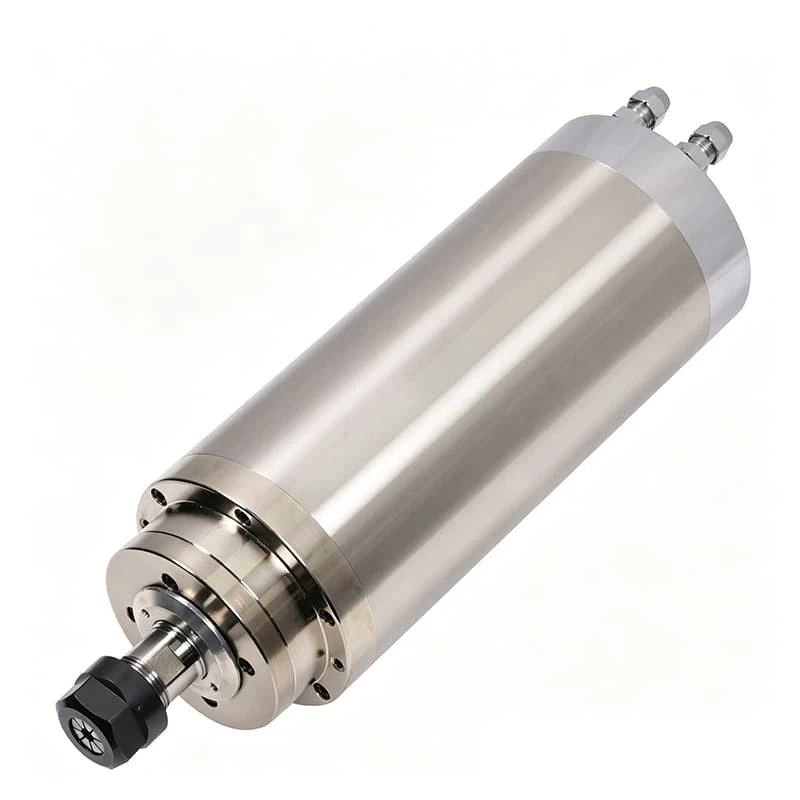
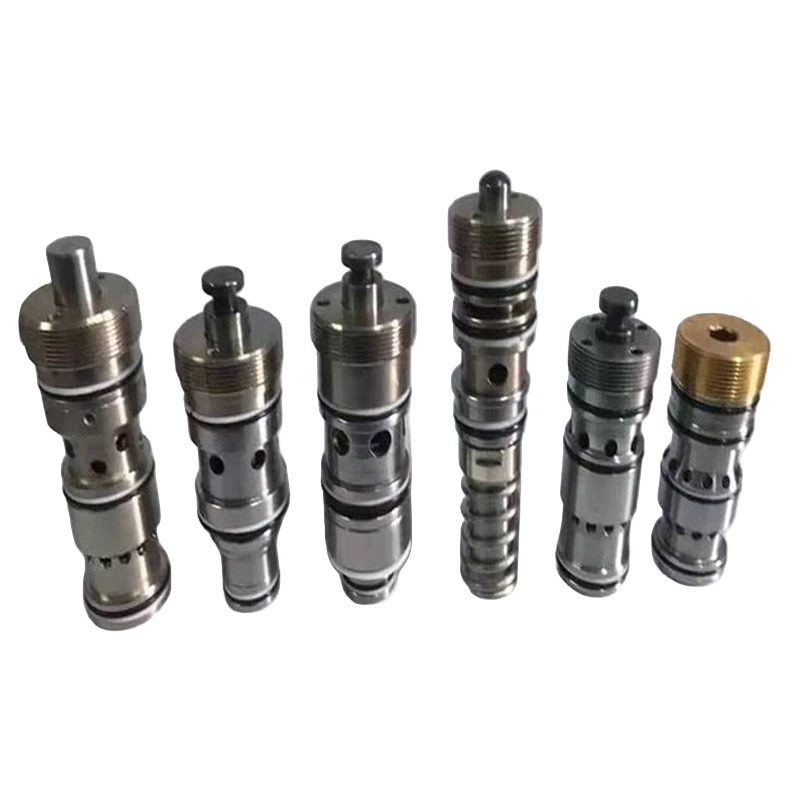
In addition to linear guide bushings, we also supply other precision components such as Valves and Valve Cores and High Speed Electric Spindle. These components are also manufactured with the same level of precision and quality as our linear guide bushings.
Contact Us for Your Procurement Needs
If you're in the market for linear guide bushings or any of our other precision components, don't hesitate to reach out. We're here to help you find the right products for your application. Whether you're a small business or a large industrial company, we can provide you with the solutions you need. Contact us today to start the procurement process and discuss your specific requirements.
References
- Machinery's Handbook, 31st Edition
- ASME B4.1 - 1967 (R2009) Preferred Limits and Fits for Cylindrical Parts