

Hey there! As a supplier of Tee Slot Clamps, I'm stoked to share with you how to use these nifty tools for a horizontal clamping setup. Whether you're a DIY enthusiast or a professional in the machining world, tee slot clamps can be a game-changer for your projects.
Understanding Tee Slot Clamps
First off, let's get to know what tee slot clamps are. These clamps are designed to fit into the tee slots found on machine tables, fixture base plates, and other work surfaces. The unique shape of the tee slot allows the clamp to slide into place and then be tightened down, providing a secure hold for your workpiece.
Tee slot clamps come in various sizes and styles, but they all share the same basic principle. They typically consist of a clamp body, a screw, and a washer. The clamp body fits into the tee slot, and the screw is used to tighten the clamp against the workpiece.
Choosing the Right Clamps
Before you start setting up your horizontal clamping, you need to choose the right tee slot clamps for the job. Consider the size and weight of your workpiece, as well as the type of material you're working with. For heavier workpieces, you'll need clamps with a higher clamping force.
Also, make sure the clamps you choose are compatible with the tee slots on your work surface. Measure the width and depth of the tee slots to ensure a proper fit. If you're not sure which clamps to choose, don't hesitate to reach out to us. We're here to help you find the perfect clamps for your needs.
Preparing Your Work Surface
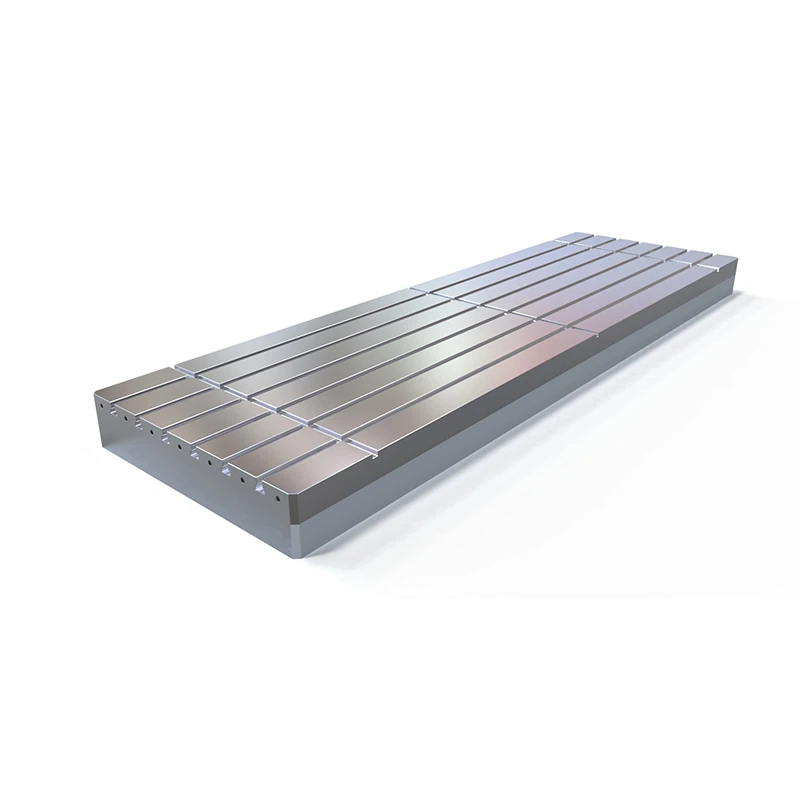
Once you've chosen the right clamps, it's time to prepare your work surface. If you're using a Fixture Base Plate, make sure it's clean and free of debris. Any dirt or chips in the tee slots can prevent the clamps from fitting properly.
You may also want to consider using a Machine Table Support Plate to provide additional stability for your workpiece. This can be especially useful when working with larger or heavier pieces.
Setting Up the Clamps
Now it's time to set up the clamps for your horizontal clamping. Here's a step-by-step guide to help you get started:
- Position the Workpiece: Place your workpiece on the work surface in the desired position. Make sure it's aligned correctly and that you have enough space around it to access the clamps.
- Insert the Clamps: Slide the clamp bodies into the tee slots at the appropriate locations. You can use as many clamps as needed to secure the workpiece, but make sure they're evenly spaced to distribute the clamping force evenly.
- Adjust the Clamps: Loosen the screws on the clamps and position the washers and clamping jaws against the workpiece. Make sure the jaws are in contact with the workpiece and that they're perpendicular to the surface.
- Tighten the Clamps: Use a wrench to tighten the screws on the clamps. Start with the outer clamps and work your way in, tightening each clamp gradually. Make sure the workpiece is held firmly in place, but be careful not to overtighten the clamps, as this can damage the workpiece or the clamps.
Tips for a Successful Horizontal Clamping Setup
Here are some tips to help you achieve a successful horizontal clamping setup:
- Use Spacers: If your workpiece is not flush with the work surface, you can use spacers to ensure a proper fit. Spacers can also help to distribute the clamping force more evenly.
- Check for Alignment: Before tightening the clamps, double-check that the workpiece is aligned correctly. You can use a straight edge or a level to ensure that the workpiece is straight and level.
- Apply Even Pressure: When tightening the clamps, make sure to apply even pressure to all the clamps. This will help to prevent the workpiece from shifting or warping.
- Use a Torque Wrench: To ensure that you're applying the correct amount of force, you can use a torque wrench to tighten the screws on the clamps. This will help to prevent overtightening and ensure a consistent clamping force.
Applications of Tee Slot Clamps in Horizontal Clamping
Tee slot clamps are incredibly versatile and can be used in a wide range of applications for horizontal clamping. Here are some common examples:
- Machining: In machining operations, tee slot clamps are used to hold workpieces in place on machine tables. This allows for precise cutting, drilling, and milling operations.
- Welding: When welding, tee slot clamps can be used to hold the workpiece in place, ensuring accurate alignment and preventing distortion.
- Assembly: In assembly work, tee slot clamps can be used to hold parts together during the assembly process. This helps to ensure that the parts are properly aligned and that the assembly is secure.
- Woodworking: In woodworking, tee slot clamps can be used to hold boards and other pieces of wood in place during cutting, sanding, and joining operations.
Special Purpose Machine Parts and Tee Slot Clamps
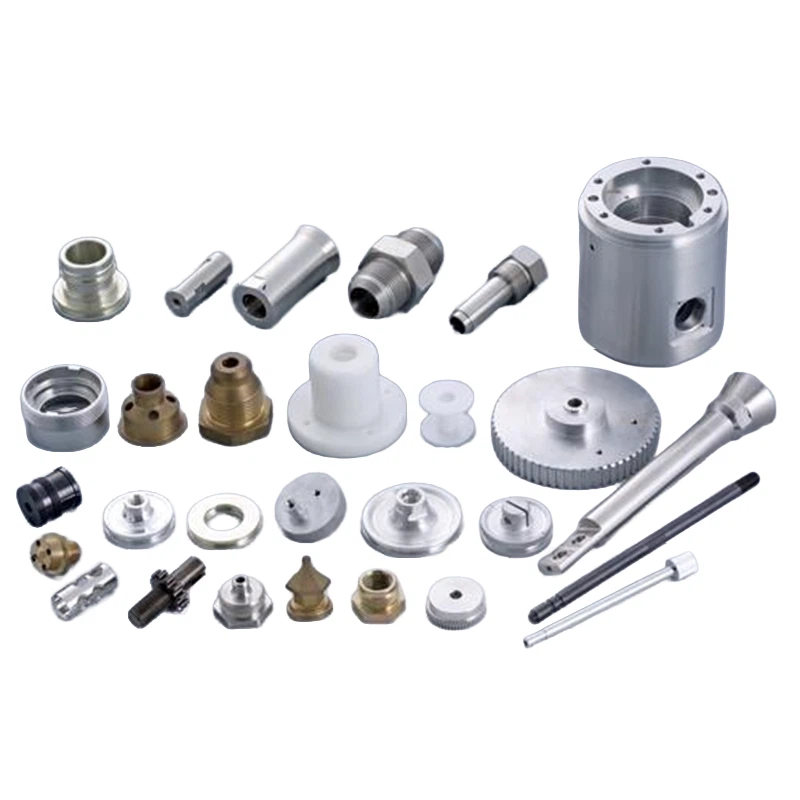
If you're working on a special project, you may need Special Purpose Machine Parts to complement your tee slot clamps. These parts can be customized to meet your specific requirements and can enhance the performance of your clamping setup.
For example, you may need custom-made clamping jaws to fit a unique workpiece shape. Or you may need a special adapter to allow the clamps to be used on a non-standard work surface. Our team can help you find the right special purpose machine parts for your project.
Maintenance and Care of Tee Slot Clamps
To ensure the longevity and performance of your tee slot clamps, it's important to take proper care of them. Here are some maintenance tips:
- Keep Them Clean: After each use, clean the clamps to remove any dirt, chips, or debris. You can use a brush or compressed air to clean the tee slots and the clamp bodies.
- Lubricate the Screws: Periodically lubricate the screws on the clamps to prevent rust and ensure smooth operation. You can use a light machine oil or a silicone-based lubricant.
- Inspect for Damage: Regularly inspect the clamps for any signs of damage, such as cracks, wear, or deformation. If you notice any damage, replace the clamps immediately.
- Store Them Properly: When not in use, store the clamps in a dry, clean place. You can use a toolbox or a storage cabinet to keep them organized and protected.
Conclusion
Using tee slot clamps for a horizontal clamping setup is a great way to secure your workpieces and ensure accurate and precise work. By following the steps and tips outlined in this blog, you can achieve a successful clamping setup and get the most out of your tee slot clamps.
If you have any questions or need help choosing the right clamps for your project, don't hesitate to contact us. We're a leading supplier of tee slot clamps and other special purpose machine parts, and we're here to help you find the solutions you need. Let's start a conversation about your project and see how we can assist you.
References
- Machinery's Handbook, 31st Edition
- Tooling and Machining Handbook, 2nd Edition


