

Yo, what's up everyone! I'm an automation parts supplier, and today I wanna chat about the differences between different automation parts. It's a topic that's super important, especially if you're in the automation game. So, let's dive right in!
First off, we gotta understand that automation parts come in all shapes and sizes, and they each have their own unique functions. One of the most common types of automation parts is the Positioning Base Plate. This little guy is like the foundation of many automation systems. It provides a stable platform for other components to be mounted on. You can think of it as the base of a building. Without a solid base, everything else is gonna be wobbly.
The positioning base plate is designed to be precise. It has holes and slots that allow for accurate placement of other parts. This is crucial because in automation, precision is key. If the parts aren't placed correctly, the whole system might not work as intended. For example, in a robotic assembly line, the positioning base plate ensures that the robot arms can pick and place components with the right amount of accuracy.
Another important type of automation part is the Automation Equipment Enclosure. This is basically a protective shell for your automation equipment. It keeps the internal components safe from dust, moisture, and other environmental factors. You know how you wouldn't want your phone to get wet or dirty? Well, the same goes for automation equipment.
The enclosure also helps in reducing noise and vibration. In a factory setting, there can be a lot of noise from machinery, and the enclosure can act as a sound barrier. It also protects the equipment from physical damage. For instance, if there's a sudden impact or a worker accidentally bumps into the equipment, the enclosure will take the brunt of it.
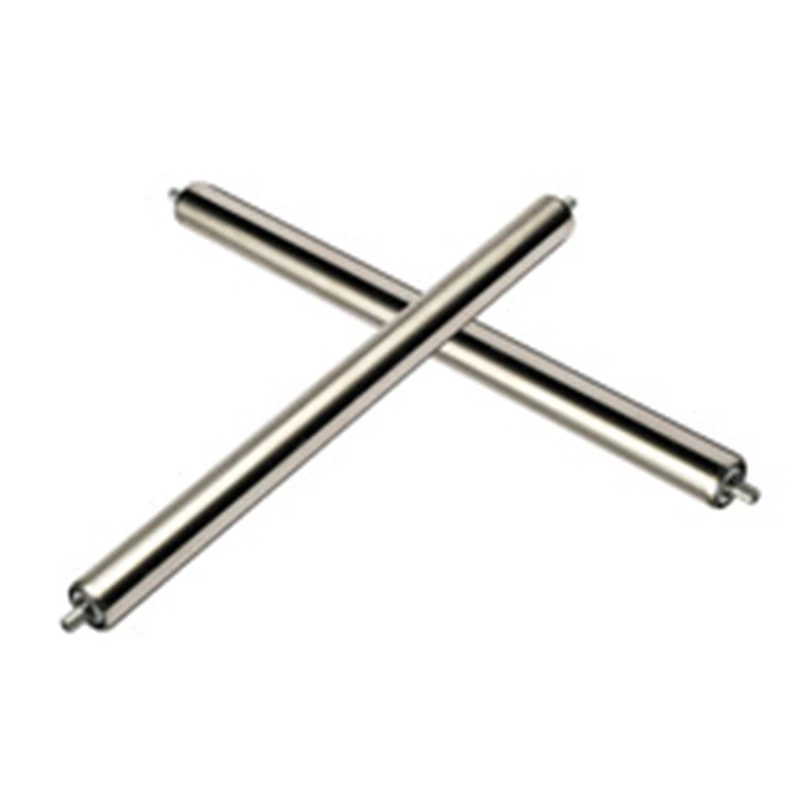
Now, let's talk about the Industrial Drive Shaft. This part is all about power transmission. It's like the muscle of the automation system. The drive shaft transfers power from the motor to other parts of the machine. It's responsible for making things move.
Industrial drive shafts come in different sizes and materials. The size depends on the amount of power that needs to be transmitted. For example, in a large manufacturing plant, you might need a bigger drive shaft to handle the heavy machinery. The material also matters. Some drive shafts are made of steel, which is strong and durable. Others might be made of aluminum, which is lighter but still strong enough for certain applications.
One of the main differences between these parts is their function. The positioning base plate is all about providing a stable foundation and precise placement. The automation equipment enclosure is focused on protection. And the industrial drive shaft is about power transmission. But there are also differences in their construction and design.
The positioning base plate is usually made of a rigid material like metal or plastic. It has a flat surface with holes and slots for mounting. The automation equipment enclosure is designed to be sealed and sturdy. It might have ventilation holes to prevent overheating. And the industrial drive shaft is designed to be strong and flexible. It needs to be able to handle the torque and rotation without breaking.
Another difference is the level of precision required. The positioning base plate needs to be extremely precise. Even a small error in placement can cause big problems. The automation equipment enclosure doesn't need to be as precise, but it does need to fit properly to provide effective protection. The industrial drive shaft also needs to be precise in terms of its dimensions and alignment.
When it comes to maintenance, each part has its own requirements. The positioning base plate might need to be cleaned regularly to ensure that the holes and slots are clear. The automation equipment enclosure might need to be inspected for any signs of damage or wear. And the industrial drive shaft might need to be lubricated to reduce friction and prevent wear and tear.

In conclusion, understanding the differences between different automation parts is crucial for anyone in the automation industry. Whether you're a manufacturer, a technician, or a buyer, knowing what each part does and how it works can help you make better decisions.
If you're in the market for automation parts, I'm here to help. I've got a wide range of high - quality parts that can meet your needs. Whether you need a positioning base plate, an automation equipment enclosure, or an industrial drive shaft, I've got you covered. So, don't hesitate to reach out and start a conversation about your automation part requirements.
References:
- General knowledge of automation parts from industry experience.
- Technical specifications of automation parts from various manufacturers.


