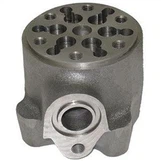

Hey there! As a supplier of Motor Mounting Bases, I often get asked about the maximum speed at which a motor can operate when it's mounted on our bases. It's a crucial question, especially for those in industries where high - speed operations are the norm. So, let's dive right into it.
Understanding the Basics
First off, we need to understand that the maximum speed of a motor with a mounting base isn't a one - size - fits - all answer. It depends on a bunch of factors. The type of motor itself plays a huge role. For example, DC motors and AC motors have different speed capabilities. DC motors can often reach high speeds quite quickly, but they also have limitations based on their design and the power supply. AC motors, on the other hand, have a more stable speed range but can be affected by the frequency of the power source.
The construction of the motor mounting base is also super important. Our Motor Mounting Bases are designed to provide stability and support to the motor. If the base isn't strong enough or well - designed, it can cause vibrations at high speeds. These vibrations can not only reduce the efficiency of the motor but also lead to premature wear and tear. We've spent a lot of time perfecting the design of our bases to ensure they can handle the rigors of high - speed operation.
Factors Affecting Maximum Speed
Let's talk about some of the key factors that can influence the maximum speed of a motor with a mounting base.
Motor Design and Specifications
The internal design of the motor, such as the number of poles, the type of winding, and the magnetic field strength, all impact its speed capabilities. Motors with fewer poles generally have a higher maximum speed. For instance, a two - pole motor can typically reach higher speeds compared to a four - pole motor.
The power rating of the motor is another important factor. A higher - powered motor can potentially reach higher speeds, but it also requires more energy and generates more heat. This heat needs to be dissipated properly, and that's where the mounting base comes in. Our bases are designed to help with heat dissipation, which is crucial for maintaining the motor's performance at high speeds.
Mounting Base Material and Design
The material of the mounting base can have a significant impact on the motor's maximum speed. We use high - quality materials that are strong and durable. For example, some of our bases are made from cast iron, which provides excellent stability and vibration dampening. This helps to keep the motor running smoothly even at high speeds.
The design of the base also matters. A well - designed base will have proper alignment features to ensure that the motor is installed correctly. Misalignment can cause additional stress on the motor and reduce its maximum speed. Our bases are engineered with precision to ensure accurate alignment, which is essential for high - speed operation.
Load and Application
The load that the motor is driving also affects its maximum speed. If the motor is driving a heavy load, it will require more torque to maintain a certain speed. This can limit the maximum speed that the motor can achieve. For example, in a conveyor belt system, if the belt is carrying a large amount of weight, the motor will have to work harder, and its maximum speed may be reduced.
The application of the motor also plays a role. In some applications, such as high - speed machining, the motor needs to operate at a very high speed for extended periods. In these cases, the mounting base needs to be able to handle the continuous high - speed operation without overheating or causing excessive vibrations.
Real - World Examples
Let's take a look at some real - world scenarios where the maximum speed of a motor with a mounting base is crucial.
High - Speed Manufacturing
In the manufacturing industry, high - speed motors are used in various processes, such as milling, drilling, and turning. For example, a High Speed Electric Spindle is often used in CNC machining centers. These spindles can reach extremely high speeds, sometimes up to tens of thousands of revolutions per minute (RPM). Our Motor Mounting Bases are designed to support these high - speed spindles, providing the stability and support needed for precise machining operations.
Automation and Robotics
In the field of automation and robotics, motors are used to drive various components, such as joints and actuators. These motors need to be able to operate at high speeds to ensure fast and efficient movement. Our mounting bases are used in many robotic applications to provide a stable platform for the motors, allowing them to operate at their maximum speed without causing excessive vibrations or misalignment.
Precision Instrumentation
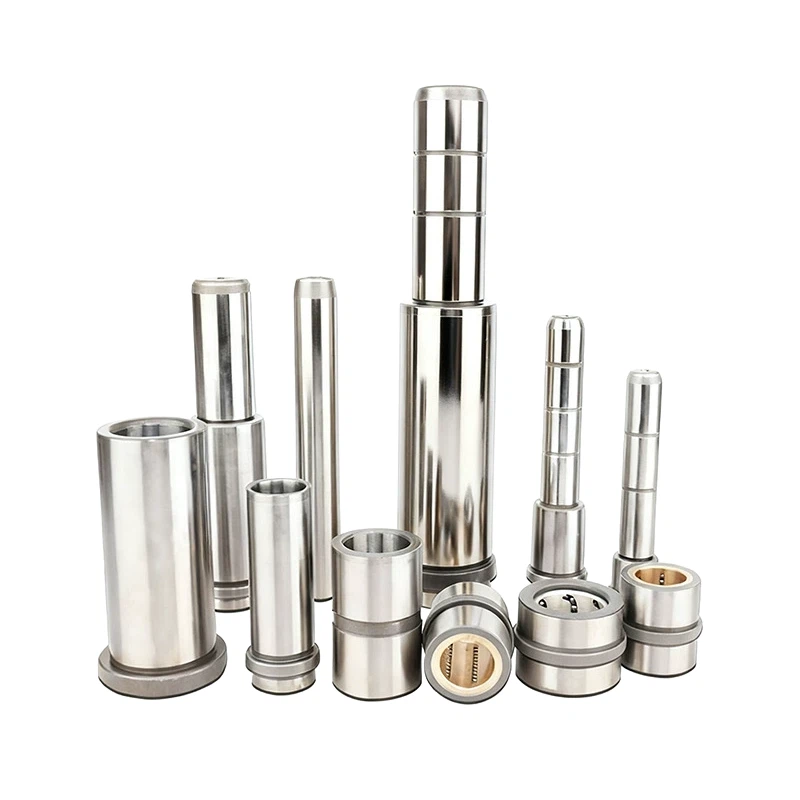
In precision instrumentation, such as in the production of Precision Instrument Guide Sleeve, motors are used to drive the precision components. These motors need to operate at a very precise speed to ensure the accuracy of the instrumentation. Our mounting bases are designed to provide the stability and support needed for these high - precision applications, allowing the motors to operate at their maximum speed while maintaining accuracy.
How Our Motor Mounting Bases Help
Our Motor Mounting Bases are designed with several features that help to maximize the motor's speed.
Vibration Dampening
As mentioned earlier, vibrations can be a major issue at high speeds. Our bases are engineered to dampen vibrations, which not only improves the motor's performance but also extends its lifespan. By reducing vibrations, we can prevent premature wear and tear on the motor and other components.
Heat Dissipation
High - speed motors generate a lot of heat, and if this heat isn't dissipated properly, it can cause the motor to overheat and reduce its performance. Our bases are designed with heat - dissipating features, such as fins and channels, to help transfer heat away from the motor. This allows the motor to operate at high speeds for longer periods without overheating.
Alignment and Stability
Proper alignment is crucial for high - speed operation. Our bases are designed with precise alignment features to ensure that the motor is installed correctly. This helps to reduce stress on the motor and allows it to operate at its maximum speed without any issues.
Conclusion
So, what's the maximum speed at which a motor can operate with a mounting base? Well, as we've seen, it depends on a variety of factors, including the motor design, the mounting base material and design, the load, and the application. Our Motor Mounting Bases are designed to help maximize the motor's speed by providing stability, vibration dampening, and heat dissipation.
If you're in the market for a high - quality Motor Mounting Base, we'd love to talk to you. Whether you're in the manufacturing, automation, or precision instrumentation industry, our bases can help you get the most out of your motors. Contact us to discuss your specific needs and let's work together to find the perfect solution for your application.
References
- "Motor Handbook" by Various Authors
- "Engineering Principles of High - Speed Machines" by Industry Experts