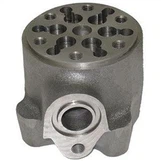

What is the minimum clearance required around a motor mounting base?
As a supplier of motor mounting bases, I've often been asked about the minimum clearance required around a motor mounting base. This is a crucial aspect that can significantly impact the performance, safety, and longevity of the motor and the overall system. In this blog post, I'll delve into the factors that determine the minimum clearance and provide some guidelines to help you make informed decisions.
Factors Affecting the Minimum Clearance
1. Heat Dissipation
Motors generate heat during operation, and proper heat dissipation is essential to prevent overheating, which can lead to reduced efficiency, premature failure, and even safety hazards. Adequate clearance around the motor mounting base allows for better air circulation, which helps to dissipate heat more effectively. The amount of clearance required depends on the motor's power rating, operating environment, and cooling method. For example, a high-power motor operating in a hot and enclosed space will require more clearance than a low-power motor in a well-ventilated area.
2. Vibration and Noise
Motors can produce vibrations and noise during operation, which can be transmitted to the surrounding structure. Sufficient clearance around the motor mounting base helps to isolate the motor from the rest of the system, reducing the transmission of vibrations and noise. This not only improves the comfort of the operators but also helps to prevent damage to the motor and other components due to excessive vibrations.
3. Maintenance and Accessibility
Regular maintenance is essential to ensure the proper functioning of the motor. Adequate clearance around the motor mounting base allows for easy access to the motor for inspection, lubrication, and repair. This can save time and money in the long run by reducing downtime and preventing costly repairs.
4. Safety
In some cases, the minimum clearance around the motor mounting base is determined by safety regulations. For example, in hazardous environments, such as those with flammable gases or dust, a certain amount of clearance may be required to prevent the ignition of the hazardous materials. Additionally, clearance may be required to prevent accidental contact with moving parts, which can cause injury.
Guidelines for Determining the Minimum Clearance
1. Refer to the Manufacturer's Recommendations
The first step in determining the minimum clearance around a motor mounting base is to refer to the manufacturer's recommendations. The manufacturer will typically provide guidelines based on the motor's specifications, operating conditions, and safety requirements. These recommendations should be followed carefully to ensure the proper functioning and safety of the motor.
2. Consider the Operating Environment
The operating environment can have a significant impact on the minimum clearance required around the motor mounting base. For example, if the motor is operating in a hot and humid environment, more clearance may be required to allow for better air circulation and heat dissipation. On the other hand, if the motor is operating in a cold environment, less clearance may be required.
3. Evaluate the Motor's Power Rating
The power rating of the motor is another important factor to consider when determining the minimum clearance. Generally, higher-power motors generate more heat and require more clearance for proper heat dissipation. As a rule of thumb, a motor with a power rating of less than 1 horsepower may require a clearance of at least 6 inches, while a motor with a power rating of more than 10 horsepower may require a clearance of 12 inches or more.
4. Account for the Motor's Cooling Method
The cooling method used by the motor can also affect the minimum clearance required. For example, a motor with a forced-air cooling system may require less clearance than a motor with a natural convection cooling system. This is because the forced-air cooling system can more effectively dissipate heat, reducing the need for additional clearance.
5. Consider the Surrounding Equipment
The presence of other equipment or structures around the motor can also impact the minimum clearance required. For example, if the motor is located near a wall or other obstruction, more clearance may be required to allow for proper air circulation and access for maintenance. Additionally, if the motor is part of a larger system, such as a conveyor or a pump, the clearance requirements of the entire system should be considered.
Examples of Minimum Clearance Requirements
Here are some examples of minimum clearance requirements for different types of motors:
- Small Motors (less than 1 horsepower): A minimum clearance of 6 inches around the motor mounting base is typically recommended.
- Medium Motors (1 - 10 horsepower): A minimum clearance of 8 - 12 inches around the motor mounting base is usually required.
- Large Motors (more than 10 horsepower): A minimum clearance of 12 inches or more around the motor mounting base may be necessary.
It's important to note that these are just general guidelines, and the actual minimum clearance required may vary depending on the specific motor and operating conditions.
Additional Considerations
1. Use of Accessories
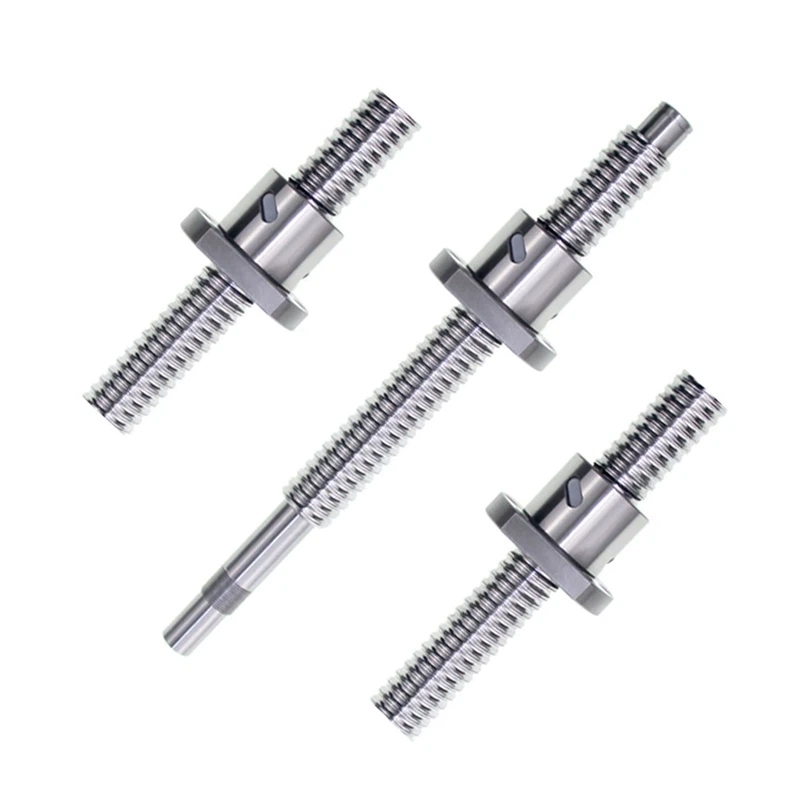
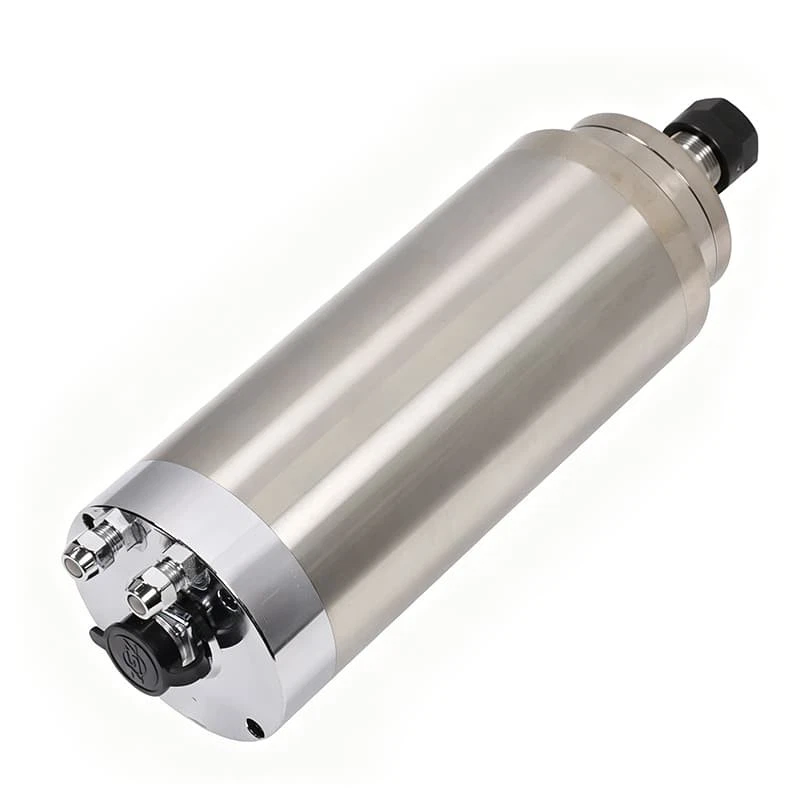
In some cases, the use of accessories, such as Heavy Duty Lead Screw, Heat Sink Housing, or High Speed Electric Spindle, may affect the minimum clearance required around the motor mounting base. These accessories may require additional space for installation and operation, so it's important to consider their dimensions and requirements when determining the clearance.
2. Future Expansion
When planning the installation of a motor, it's important to consider future expansion or changes to the system. Leaving some extra clearance around the motor mounting base can provide flexibility for future modifications or upgrades.
3. Safety Precautions
In addition to the minimum clearance requirements, it's important to take other safety precautions when installing and operating a motor. This may include using appropriate protective guards, grounding the motor, and following all safety regulations and guidelines.
Conclusion
Determining the minimum clearance required around a motor mounting base is an important aspect of motor installation and operation. By considering factors such as heat dissipation, vibration and noise, maintenance and accessibility, and safety, you can ensure that the motor operates efficiently and safely. Remember to refer to the manufacturer's recommendations, evaluate the operating environment, and account for the motor's power rating and cooling method. Additionally, consider the use of accessories, future expansion, and safety precautions. If you have any questions or need further assistance, please don't hesitate to contact us for more information and to discuss your specific requirements.
References
- Motor Manufacturer's Manuals
- Industry Standards and Guidelines