
When it comes to automation, the right parts can make all the difference. As an automation parts supplier, I've seen firsthand how the quality and features of these components can impact the performance and efficiency of automated systems. In this blog post, I'll share the key features to look for in automation parts, drawing on my experience in the industry.
Durability and Reliability
One of the most important features to consider in automation parts is durability. Automated systems often operate under demanding conditions, with high speeds, heavy loads, and continuous use. Parts that are not built to last can lead to frequent breakdowns, costly repairs, and downtime.
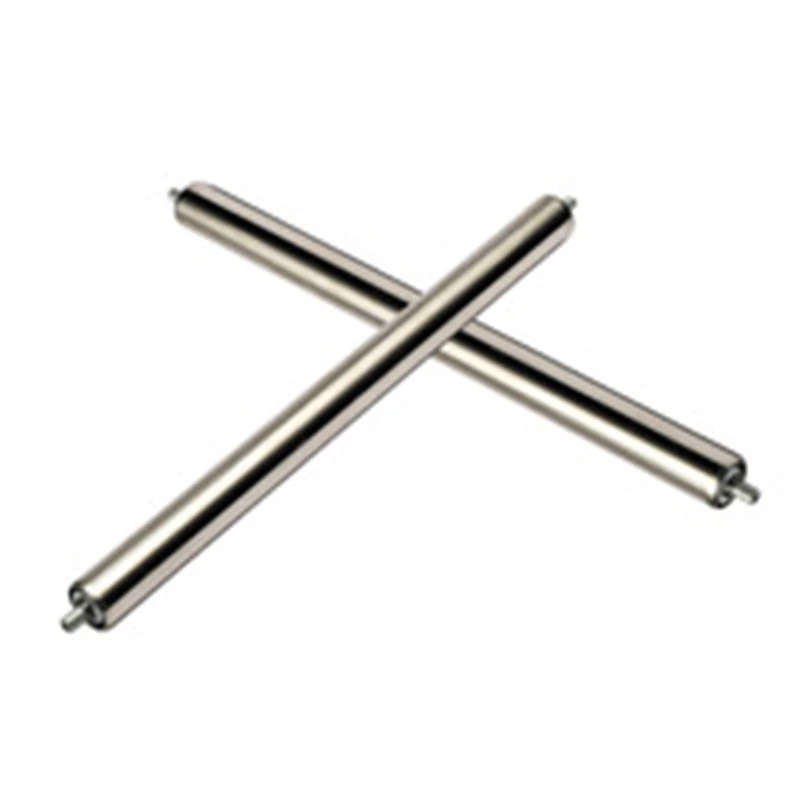
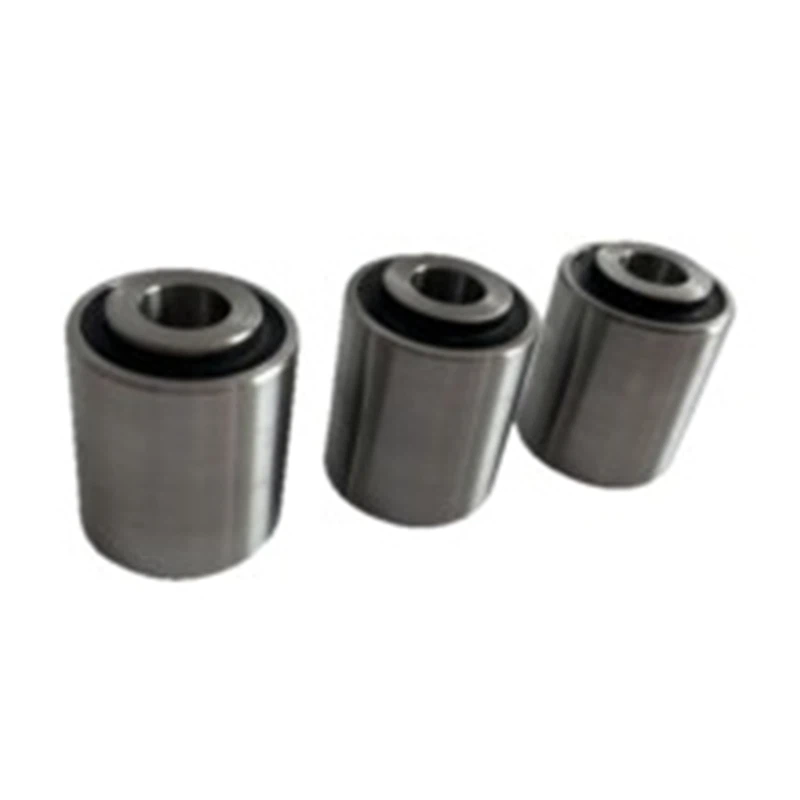
Look for parts made from high-quality materials that can withstand wear and tear. For example, Industrial Drive Shaft should be made from strong alloys that can handle the torque and stress of power transmission. Similarly, Hydraulic Pins and Bushings need to be resistant to corrosion and abrasion to ensure long - term performance.
Reliability is also closely related to durability. A reliable part will perform consistently over time, with a low probability of failure. This is crucial for maintaining the smooth operation of automated systems. When evaluating parts, consider the manufacturer's reputation for quality and the track record of the specific part in similar applications.
Precision and Accuracy
Automation systems require parts that can operate with high precision and accuracy. Even small deviations in the performance of a component can lead to significant errors in the overall system.
For example, in a robotic arm, the joints need to move with precise angles and positions to perform tasks accurately. A Shaft Sleeve Bushing that provides smooth and precise rotation is essential for the proper functioning of the arm. In a conveyor system, the timing belts and pulleys must be accurately sized and aligned to ensure the correct movement of materials.
When selecting automation parts, look for those with tight tolerances and high - quality machining. The manufacturer should provide detailed specifications regarding the precision of the part, such as the allowable deviation in dimensions or the accuracy of movement.
Compatibility
Automation parts need to be compatible with the existing system or other components in the automation setup. This includes mechanical compatibility, such as the size, shape, and mounting requirements of the part, as well as electrical and software compatibility.
Mechanical compatibility ensures that the part can be easily installed and integrated into the system. For example, if you are replacing a drive shaft, it must have the correct diameter, length, and keyway to fit the existing couplings and bearings. Electrical compatibility is important for parts that require power or communicate with other devices. The part should have the correct voltage, current, and communication protocols to work seamlessly with the rest of the system.
Before purchasing a part, make sure to check the compatibility requirements with the system manufacturer or consult with an expert. This can save you time and money by avoiding the need for costly modifications or replacements.
Ease of Maintenance
Maintenance is an inevitable part of operating an automated system. Parts that are easy to maintain can reduce downtime and maintenance costs.
Look for parts that are designed for easy access and replacement. For example, some hydraulic components have quick - connect fittings that allow for easy disassembly and reassembly. Parts with self - lubricating features can also reduce the need for frequent maintenance.
In addition, the manufacturer should provide clear and detailed maintenance instructions. This includes information on how to inspect, clean, and lubricate the part, as well as recommended maintenance intervals.
Cost - Effectiveness
While quality is important, cost - effectiveness is also a key consideration when choosing automation parts. You want to get the best value for your money, balancing the cost of the part with its performance and durability.
Compare the prices of different parts from various suppliers, but don't just focus on the upfront cost. Consider the long - term cost of ownership, including maintenance, repair, and replacement costs. A more expensive part that is more durable and reliable may actually be more cost - effective in the long run.
Some suppliers may offer discounts or package deals for bulk purchases. It's also worth looking for parts that are energy - efficient, as this can lead to savings on operating costs over time.
Customizability
In some cases, standard automation parts may not meet the specific requirements of your application. That's where customizability becomes important.
A good automation parts supplier should be able to offer custom - made parts or modifications to existing parts. This allows you to tailor the parts to your exact needs, whether it's a unique size, shape, or performance requirement.
For example, if you have a specialized robotic application that requires a drive shaft with a non - standard length or torque capacity, the supplier should be able to work with you to design and manufacture a custom part.
Technical Support
When you encounter problems or have questions about automation parts, having access to reliable technical support is crucial. A good supplier should offer comprehensive technical support, including assistance with installation, troubleshooting, and maintenance.
The technical support team should be knowledgeable and experienced in the field of automation. They should be able to provide prompt and accurate answers to your questions, either over the phone, via email, or in person.
Some suppliers may also offer training programs or resources to help you better understand and use their parts. This can be especially useful for new users or those with complex automation systems.
Conclusion
Choosing the right automation parts is essential for the success of your automated system. By considering the key features of durability, reliability, precision, compatibility, ease of maintenance, cost - effectiveness, customizability, and technical support, you can make informed decisions and select parts that will meet your specific needs.
As an automation parts supplier, I'm committed to providing high - quality parts that meet these criteria. If you're in the market for automation parts, I encourage you to reach out to me for more information and to discuss your specific requirements. Whether you need Industrial Drive Shaft, Hydraulic Pins and Bushings, or Shaft Sleeve Bushing, I'm here to help you find the best solutions for your automation needs.
References
- "Automation Technology Handbook", various industry experts
- Manufacturer's product specifications and technical documentation for automation parts


