

Hey there! As a supplier of Positioning Base Plates, I often get asked about the load capacity of these nifty little components. So, I thought I'd take a deep dive into this topic and share some insights with you all.
First off, let's understand what a Positioning Base Plate is. It's a fundamental part in many industrial setups. You can think of it as the foundation for various equipment. It provides a stable platform for mounting other parts, ensuring accurate positioning and alignment. This is crucial in applications where precision is key, like in automation systems.
Now, the big question: What is the load capacity of a Positioning Base Plate? Well, it's not a one - size - fits - all answer. The load capacity depends on several factors.
Material
The material of the Positioning Base Plate plays a huge role. For instance, if it's made of high - strength steel, it can handle a much heavier load compared to a plate made of aluminum. Steel has excellent tensile strength and can withstand significant forces without deforming. Aluminum, on the other hand, is lighter and more corrosion - resistant, but its load - bearing capacity is generally lower.
Let's say you're using a steel Positioning Base Plate in a heavy - duty manufacturing environment. This plate can support large machinery and equipment, maybe up to several tons. But if you're in a more lightweight application, like in a small - scale automation project, an aluminum plate might be sufficient, with a load capacity in the range of a few hundred kilograms.
Design and Structure
The design of the plate also affects its load capacity. A plate with a thicker cross - section can typically support more weight. Also, plates with reinforced edges or internal ribs are stronger. These structural features distribute the load more evenly across the plate, preventing stress concentrations that could lead to failure.
For example, a Positioning Base Plate with a honeycomb - like internal structure is often stronger than a flat plate of the same material and thickness. The honeycomb design provides additional support and stiffness, allowing it to handle higher loads.
Mounting and Installation
How the Positioning Base Plate is mounted and installed is equally important. If it's properly bolted or welded to a solid surface, it can transfer the load more effectively. A loose or poorly installed plate will not be able to support its full load capacity.

Imagine you're installing a Positioning Base Plate on a machine. If the bolts are not tightened correctly, the plate may shift under load, causing misalignment and potentially damaging the equipment. On the other hand, a well - installed plate will stay in place and perform as expected.
Application - Specific Requirements
Different applications have different load requirements. In the automotive industry, for example, Positioning Base Plates are used to mount heavy engines and transmission components. These plates need to have a high load capacity to ensure the stability and safety of the vehicle.
In the electronics industry, however, the load requirements are much lower. The plates are used to mount small circuit boards and sensors, so they only need to support a few grams to a few kilograms.
Testing and Certification
To determine the load capacity of a Positioning Base Plate accurately, testing is essential. Manufacturers usually conduct various tests, such as static load tests and fatigue tests. Static load tests involve applying a constant load to the plate until it fails, while fatigue tests simulate the repeated loading and unloading that the plate may experience in real - world applications.
Once a plate passes these tests, it can be certified with a specific load capacity. This certification gives customers confidence in the product's performance.
Now, let's talk about some related products that often work in conjunction with Positioning Base Plates.
The Automation Equipment Enclosure is an important component in many industrial setups. It protects the equipment mounted on the Positioning Base Plate from dust, moisture, and other environmental factors. This enclosure helps to ensure the longevity and reliability of the equipment.
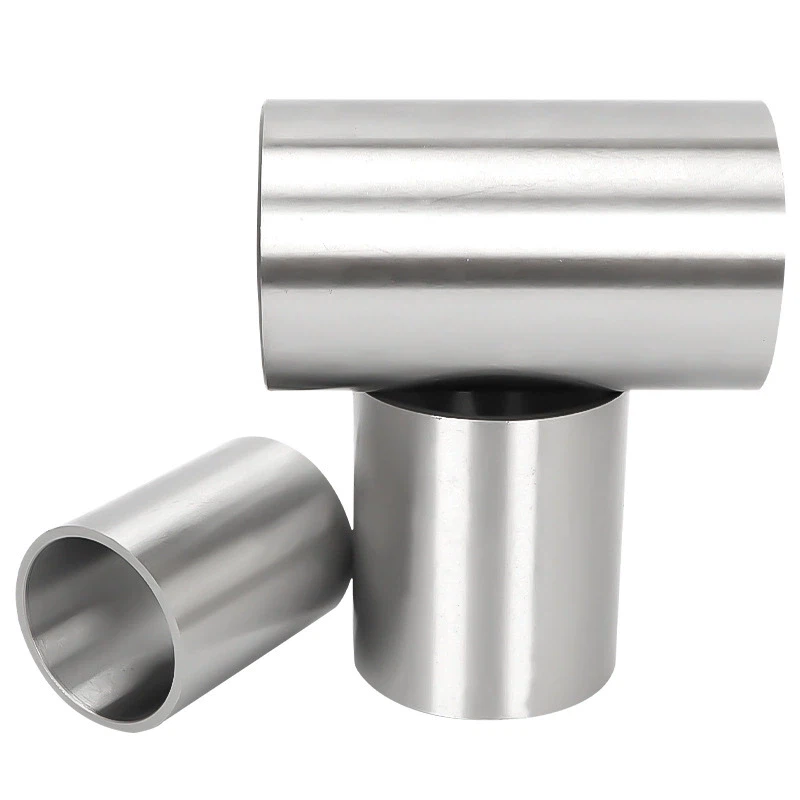
Another related product is the Shaft Sleeve Bushing. It is used to reduce friction and wear between the shaft and the Positioning Base Plate. A good quality shaft sleeve bushing can improve the performance and efficiency of the system.
The Mounting Adapter Plate is also crucial. It allows different types of equipment to be mounted on the Positioning Base Plate. This adapter plate provides flexibility in the design and installation of the system.
As a supplier of Positioning Base Plates, I understand the importance of providing high - quality products with accurate load capacity information. We work closely with our customers to understand their specific needs and recommend the right plate for their application.
If you're in the market for a Positioning Base Plate or any of the related products I mentioned, I'd love to have a chat with you. Whether you're working on a small - scale project or a large - scale industrial application, we can help you find the perfect solution. Just reach out, and we'll start the conversation about your requirements.
References
- Machinery's Handbook, 31st Edition
- Industrial Design and Engineering Principles, 2nd Edition
- Standards and Guidelines for Positioning Components in Automation Systems


