

As a supplier of Fixture Base Plates, I understand the critical role that surface hardness plays in the performance and longevity of these components. A hard surface can resist wear, abrasion, and deformation, ensuring that the fixture base plate maintains its accuracy and functionality over time. In this blog post, I will share some effective methods to improve the surface hardness of a Fixture Base Plate.
1. Material Selection
The choice of material is the first and most fundamental step in determining the surface hardness of a Fixture Base Plate. Different materials have different inherent hardness properties. For example, tool steels such as A2, D2, and H13 are known for their high hardness and wear resistance. These steels contain alloying elements like chromium, molybdenum, and vanadium, which contribute to the formation of hard carbides in the microstructure.
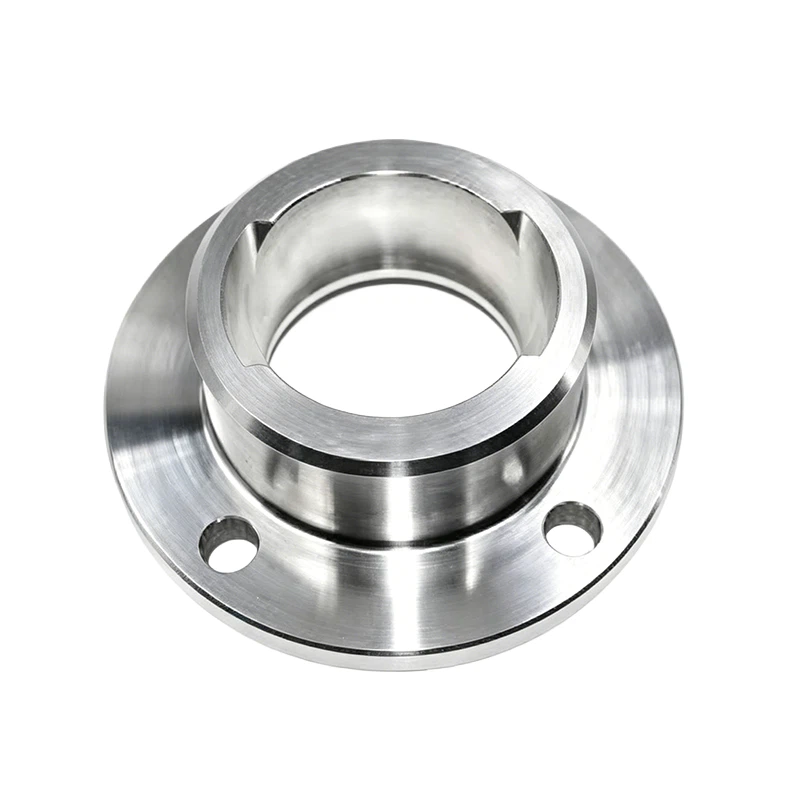
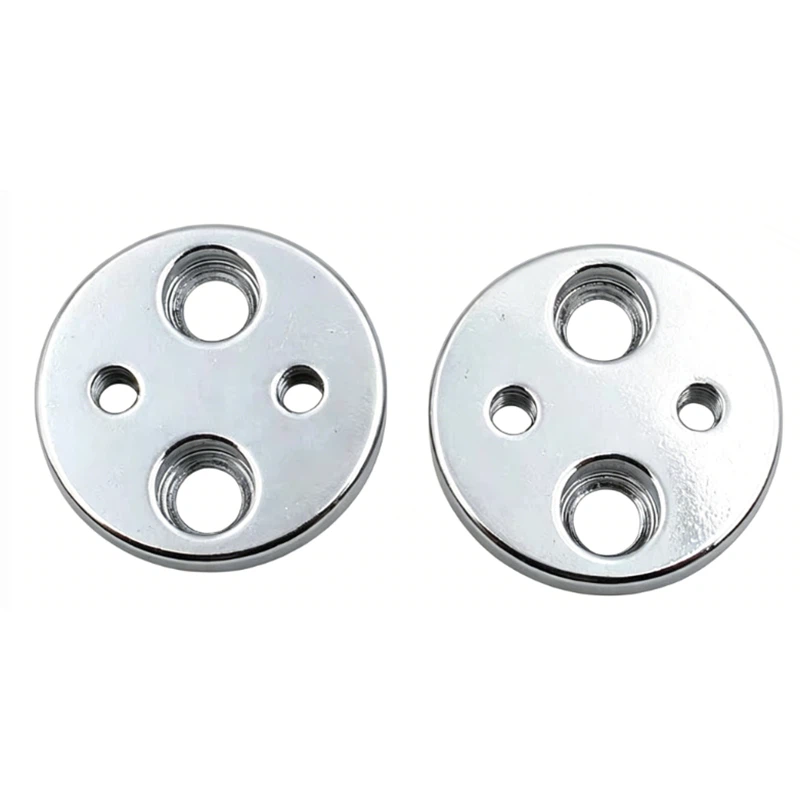
Another option is stainless steel, which offers good corrosion resistance in addition to decent hardness. Austenitic stainless steels like 304 and 316 are commonly used, but they can be further hardened through processes like cold working or precipitation hardening. For applications where extreme hardness is required, ceramics or tungsten carbide can be considered, although they may be more expensive and difficult to machine.
2. Heat Treatment
Heat treatment is a widely used method to improve the surface hardness of metals. For Fixture Base Plates made of steel, processes such as quenching and tempering can significantly increase the hardness. Quenching involves heating the steel to a specific temperature (usually above the critical transformation temperature) and then rapidly cooling it in a quenching medium such as oil or water. This rapid cooling causes the formation of a hard martensitic structure.
However, quenching alone can make the steel brittle. Therefore, tempering is usually carried out after quenching. Tempering involves reheating the quenched steel to a lower temperature and holding it for a certain period of time. This process relieves the internal stresses created during quenching and improves the toughness of the steel while still maintaining a high level of hardness.
Case hardening is another heat treatment technique that is particularly useful for improving the surface hardness of Fixture Base Plates. In case hardening, the surface of the steel is enriched with carbon or nitrogen, creating a hard outer layer while maintaining a tough core. Processes like carburizing, nitriding, and carbonitriding fall into this category.
Carburizing involves heating the steel in a carbon-rich environment, such as a gas or liquid carburizing medium. The carbon diffuses into the surface of the steel, forming a high-carbon layer. After carburizing, the steel is quenched and tempered to achieve the desired hardness. Nitriding, on the other hand, involves heating the steel in a nitrogen-rich atmosphere. The nitrogen reacts with the alloying elements in the steel to form hard nitride compounds on the surface. Carbonitriding combines the features of carburizing and nitriding, providing a hard and wear-resistant surface layer.
3. Surface Coating
Applying a surface coating is an effective way to enhance the surface hardness of a Fixture Base Plate without significantly altering the base material. There are several types of coatings available, each with its own advantages and applications.
One of the most common coatings is titanium nitride (TiN). TiN coatings are known for their high hardness, low friction coefficient, and good wear resistance. They can be applied using physical vapor deposition (PVD) or chemical vapor deposition (CVD) techniques. PVD is a more widely used method as it allows for better control of the coating thickness and properties.
Diamond-like carbon (DLC) coatings are another option. DLC coatings have extremely high hardness, similar to that of diamond, and excellent chemical stability. They can provide a smooth and low-friction surface, reducing wear and improving the performance of the Fixture Base Plate.
Ceramic coatings, such as aluminum oxide (Al₂O₃) and zirconium oxide (ZrO₂), can also be used to increase the surface hardness. These coatings offer high thermal stability and wear resistance, making them suitable for applications where the Fixture Base Plate is exposed to high temperatures or abrasive environments.
4. Cold Working
Cold working is a process that involves deforming the metal at room temperature. This can be done through methods such as rolling, forging, or drawing. Cold working increases the dislocation density in the metal, which in turn increases the hardness.
For Fixture Base Plates, cold rolling can be used to improve the surface hardness. By passing the plate through a set of rollers, the metal is compressed and deformed, resulting in a harder surface. However, cold working can also cause the metal to become brittle, so it may need to be followed by a heat treatment process to relieve the internal stresses.
5. Machining and Finishing
Proper machining and finishing techniques can also have an impact on the surface hardness of a Fixture Base Plate. During machining, the cutting tools should be sharp and properly maintained to minimize the generation of heat and plastic deformation. Excessive heat can cause the metal to soften, reducing the surface hardness.
After machining, the surface of the Fixture Base Plate can be finished using processes such as grinding, polishing, or lapping. These processes can remove any surface irregularities and improve the surface finish, which can enhance the wear resistance and hardness of the surface.
Conclusion
Improving the surface hardness of a Fixture Base Plate is crucial for ensuring its performance and durability. By carefully selecting the material, applying appropriate heat treatment, using surface coatings, performing cold working, and employing proper machining and finishing techniques, we can achieve a high level of surface hardness.
As a supplier of Fixture Base Plate, we are committed to providing high-quality products with excellent surface hardness. Our Machine Table Support Plate and Precision Mounting Base for Medical Equipment are designed and manufactured using the latest technologies and materials to meet the diverse needs of our customers.
If you are interested in purchasing Fixture Base Plates or have any questions about improving their surface hardness, please feel free to contact us for a detailed discussion. We look forward to working with you to find the best solutions for your specific requirements.
References
- ASM Handbook, Volume 4: Heat Treating, ASM International
- Metals Handbook, Volume 1: Properties and Selection: Irons, Steels, and High-Performance Alloys, ASM International
- Surface Engineering for Wear Resistance, Edited by David Croll-Sullivan, Woodhead Publishing


