

The manufacturing process of automotive cylinder sleeves is a complex and precise endeavor that combines advanced technology with skilled craftsmanship. As a leading supplier of automotive cylinder sleeves, we take pride in our ability to produce high-quality products that meet the demanding standards of the automotive industry. In this blog post, we will delve into the step-by-step process of manufacturing automotive cylinder sleeves, highlighting the key stages and technologies involved.
Material Selection
The first step in the manufacturing process is the selection of the appropriate material for the cylinder sleeves. The choice of material is crucial as it directly impacts the performance, durability, and reliability of the sleeves. Commonly used materials for automotive cylinder sleeves include cast iron, steel, and aluminum alloys.
Cast iron is a popular choice due to its excellent wear resistance, high strength, and good thermal conductivity. It can withstand the high temperatures and pressures generated within the engine, making it suitable for both gasoline and diesel engines. Steel is another option, offering high strength and toughness. It is often used in high-performance engines where maximum power and durability are required. Aluminum alloys are lightweight and have good heat dissipation properties, making them ideal for applications where weight reduction is a priority.
Casting or Forging
Once the material is selected, the next step is to shape the cylinder sleeves. This can be done through either casting or forging processes.
Casting involves pouring molten metal into a mold to create the desired shape. This method is suitable for producing large quantities of cylinder sleeves with complex geometries. The casting process allows for precise control over the dimensions and properties of the sleeves. It also enables the incorporation of features such as cooling passages and oil grooves.
Forging, on the other hand, involves shaping the metal by applying pressure and heat. This process results in a denser and stronger material, making it ideal for high-performance applications. Forged cylinder sleeves have better mechanical properties and are more resistant to fatigue and wear. However, forging is a more expensive and time-consuming process compared to casting.
Machining
After the initial shaping process, the cylinder sleeves undergo a series of machining operations to achieve the required dimensions and surface finish. Machining is a critical step in the manufacturing process as it ensures the accuracy and precision of the sleeves.
The first machining operation is usually turning, where the outer diameter of the sleeve is machined to the specified size. This is followed by boring, which involves enlarging the inner diameter of the sleeve to the desired dimension. Other machining operations may include milling, grinding, and honing, which are used to create smooth surfaces and precise tolerances.
Heat Treatment
Heat treatment is an important step in the manufacturing process as it enhances the mechanical properties of the cylinder sleeves. Heat treatment involves heating the sleeves to a specific temperature and then cooling them at a controlled rate. This process can improve the hardness, strength, and wear resistance of the sleeves.
Common heat treatment processes used for automotive cylinder sleeves include quenching and tempering. Quenching involves rapidly cooling the sleeves in a liquid medium, such as oil or water, to harden the material. Tempering is then performed to relieve the internal stresses and improve the toughness of the sleeves.
Surface Coating
To further enhance the performance and durability of the cylinder sleeves, a surface coating is often applied. Surface coatings can provide additional protection against wear, corrosion, and friction.
One common surface coating used for automotive cylinder sleeves is a hard chrome plating. Hard chrome plating is a thin layer of chromium that is deposited on the surface of the sleeve using an electroplating process. This coating provides excellent wear resistance and reduces friction, resulting in improved engine performance and fuel efficiency.
Another surface coating option is a thermal spray coating. Thermal spray coatings involve spraying a fine powder onto the surface of the sleeve using a high-velocity flame or plasma jet. This coating can provide a variety of properties, such as wear resistance, corrosion resistance, and thermal insulation.
Quality Control
Throughout the manufacturing process, strict quality control measures are implemented to ensure that the cylinder sleeves meet the highest standards of quality and performance. Quality control begins with the inspection of the raw materials and continues throughout each stage of the manufacturing process.
Inspection techniques used in quality control include dimensional measurement, hardness testing, and non-destructive testing. Dimensional measurement ensures that the sleeves meet the specified dimensions and tolerances. Hardness testing is used to verify the hardness of the material and ensure that it meets the required standards. Non-destructive testing, such as ultrasonic testing and magnetic particle testing, is used to detect any internal defects or flaws in the sleeves.
Assembly and Packaging
Once the cylinder sleeves have passed the quality control tests, they are ready for assembly and packaging. The sleeves are typically assembled with other engine components, such as pistons and connecting rods, to form a complete engine assembly.
After assembly, the cylinder sleeves are carefully packaged to protect them during transportation and storage. Packaging materials may include cardboard boxes, plastic bags, and foam inserts to prevent damage to the sleeves.
Conclusion
The manufacturing process of automotive cylinder sleeves is a complex and precise process that requires advanced technology, skilled craftsmanship, and strict quality control. As a leading supplier of automotive cylinder sleeves, we are committed to producing high-quality products that meet the demanding standards of the automotive industry.
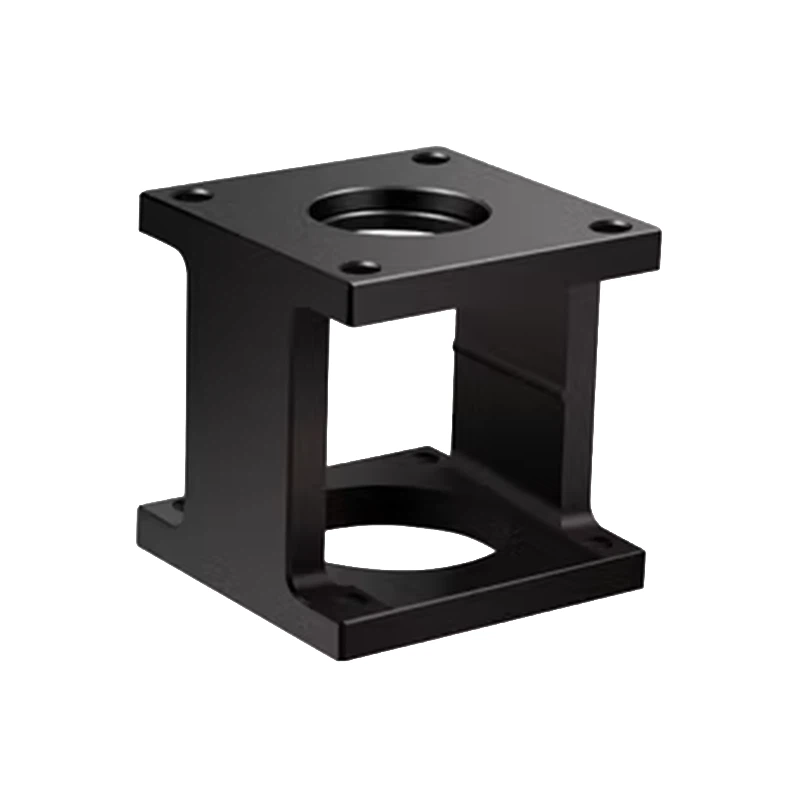
If you are in the market for automotive cylinder sleeves or other precision custom components, such as Heavy Duty Lead Screw, Motor Mounting Base, or Valves and Valve Cores, we invite you to contact us for a quote. Our team of experts will be happy to assist you with your specific requirements and provide you with the best possible solutions.
References
- Automotive Engine Design, Third Edition by Klaus P. Rechert
- Manufacturing Engineering and Technology, Sixth Edition by Serope Kalpakjian and Steven R. Schmid
- Fundamentals of Modern Manufacturing: Materials, Processes, and Systems, Fourth Edition by Mikell P. Groover


