

In the realm of product design and engineering, the sound produced by a product is often a crucial aspect that can significantly impact user experience. Special parts play a vital role in shaping the acoustic characteristics of a product. As a supplier of special parts, I have witnessed firsthand how these components can transform the sound output of various products.
The Role of Special Parts in Sound Production
Special parts are designed to meet specific requirements and often possess unique properties that can influence sound in multiple ways. For example, the material composition of a part can have a profound effect on its acoustic behavior. Materials with high damping properties can absorb vibrations and reduce unwanted noise, while materials with low damping can allow vibrations to propagate more freely, potentially enhancing certain frequencies.
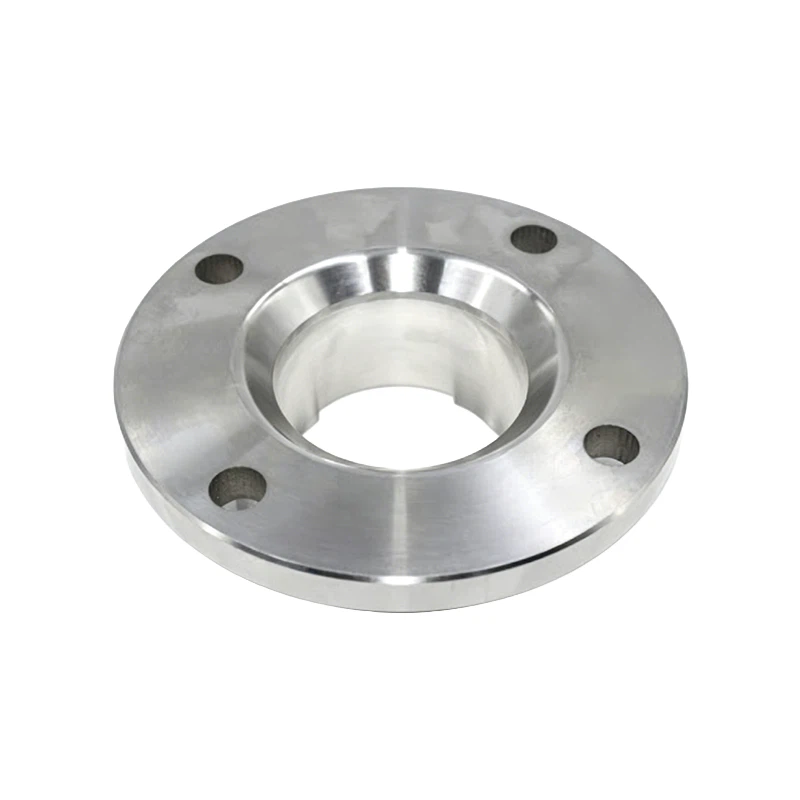
One of the key special parts that can affect sound is the Precision Mounting Base for Medical Equipment. This type of mounting base is engineered to provide stable support for medical devices. By minimizing vibrations and ensuring proper alignment, it can help reduce mechanical noise and interference. In medical equipment, where a quiet environment is essential for accurate diagnosis and patient comfort, the precision mounting base plays a critical role in maintaining a low - noise acoustic profile.
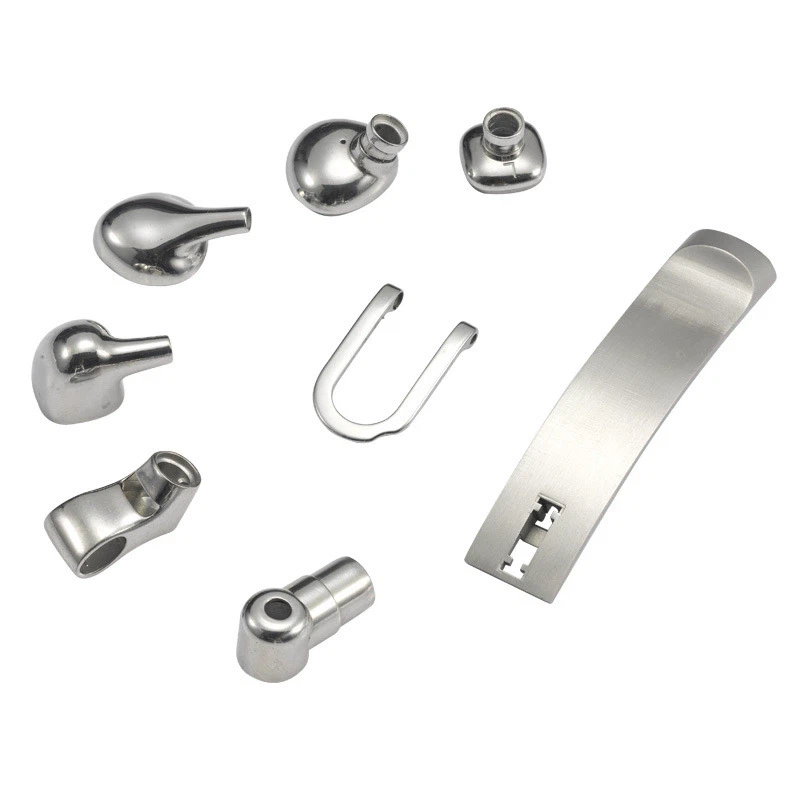
Another important special part is the Special - shaped Connector. Connectors are not just about electrical or mechanical connections; they can also impact sound. Special - shaped connectors are designed to fit specific geometries and requirements. A well - designed connector can reduce electrical interference, which in turn can minimize electromagnetic noise that may be audible in the product's sound output. For example, in audio equipment, a high - quality special - shaped connector can ensure a clean signal transfer, resulting in clearer and more accurate sound reproduction.
Core assemblies, such as the Core Assemblies for Specialized Instruments, are also significant in influencing sound. These assemblies often contain multiple components working together to perform a specific function. The design and construction of the core assembly can determine how vibrations are generated and transmitted within the instrument. For instance, in a musical instrument, the core assembly can affect the resonance and sustain of the sound, creating a rich and full - bodied tone.
Material Properties and Sound
The choice of materials for special parts is a fundamental factor in determining their impact on sound. Different materials have different acoustic properties, such as density, elasticity, and internal friction.
Metals, for example, are often used in special parts due to their strength and durability. However, they can also be good conductors of sound. A metal part with a high density and low internal friction can transmit vibrations easily, which may result in a sharp and clear sound. On the other hand, a metal part with a higher internal friction can dampen vibrations and produce a more muted sound.
Plastics, on the other hand, can have a wide range of acoustic properties depending on their composition. Some plastics are designed to be highly damping, which can be useful for reducing noise in products. For example, in electronic devices, plastic components can be used to absorb vibrations from internal components, preventing them from being transmitted to the outside and causing unwanted noise.
Composite materials are another option for special parts. These materials combine the properties of different substances to achieve specific acoustic characteristics. For example, a composite material made of a fiber - reinforced polymer can have a high strength - to - weight ratio and good damping properties, making it suitable for applications where both structural integrity and noise reduction are required.
Design and Geometry
The design and geometry of special parts also play a crucial role in sound production. The shape of a part can affect how sound waves are reflected, refracted, and absorbed.
A part with a smooth and curved surface can reflect sound waves more evenly, reducing the formation of standing waves and echoes. This is particularly important in audio enclosures, where the shape of the enclosure can significantly impact the sound quality. For example, a well - designed speaker enclosure with a curved shape can help to distribute sound more evenly in the listening area, resulting in a more immersive audio experience.
The size and aspect ratio of a part can also influence sound. A larger part may have a lower resonant frequency, which can affect the bass response of a product. In contrast, a smaller part may have a higher resonant frequency, which can enhance the treble frequencies. By carefully designing the size and aspect ratio of special parts, engineers can fine - tune the sound characteristics of a product.
Application - Specific Considerations
The impact of special parts on sound can vary depending on the application. In the automotive industry, for example, special parts such as engine mounts and exhaust system components can have a significant impact on the vehicle's sound. Engine mounts are designed to isolate the engine from the chassis, reducing vibrations and noise transmission. A high - quality engine mount can help to create a quieter and more comfortable driving environment.
In the aerospace industry, special parts are used to control noise and vibration in aircraft. Components such as acoustic panels and vibration dampers are designed to reduce the noise generated by the engines and airflow. These parts are crucial for ensuring passenger comfort and meeting regulatory noise requirements.
In the consumer electronics industry, special parts are used to enhance the audio quality of products such as smartphones, tablets, and headphones. For example, the design of the speaker grille and the internal structure of the device can affect the sound output. A well - designed speaker grille can allow sound to pass through more efficiently, while the internal structure can help to optimize the resonance and frequency response of the speaker.
The Importance of Quality and Precision
When it comes to special parts and their impact on sound, quality and precision are of utmost importance. A poorly manufactured part may not perform as expected, leading to sub - optimal sound quality. For example, a connector with loose contacts can cause electrical interference and noise in an audio system.
Precision manufacturing techniques ensure that special parts are produced to the exact specifications required for optimal sound performance. This includes precise machining, molding, and assembly processes. By using high - quality materials and advanced manufacturing techniques, we can guarantee that our special parts meet the highest standards of quality and performance.
Contact for Procurement and Collaboration
If you are interested in exploring how our special parts can enhance the sound of your products, we invite you to contact us for procurement and collaboration. Our team of experts is ready to work with you to understand your specific requirements and provide customized solutions. Whether you are in the medical, automotive, aerospace, or consumer electronics industry, we have the expertise and resources to meet your needs.
References
- Beranek, Leo L. "Acoustics." American Institute of Physics, 1986.
- Kinsler, Lawrence E., et al. "Fundamentals of Acoustics." John Wiley & Sons, 2000.
- Rao, B. P. "Engineering Acoustics: Noise and Vibration Control." CRC Press, 2007.


