

As a supplier of Positioning Base Plates, I've seen firsthand how temperature can have a significant impact on these essential components. In this blog, I'll share my insights on how temperature affects a Positioning Base Plate and why it's crucial for you to understand these effects when making purchasing decisions.
Thermal Expansion and Contraction
One of the most obvious ways temperature affects a Positioning Base Plate is through thermal expansion and contraction. When the temperature rises, the material of the base plate expands, and when it drops, the material contracts. This can lead to changes in the dimensions of the base plate, which can affect its accuracy and performance.
For example, if a Positioning Base Plate is used in a high - temperature environment, the expansion of the material can cause the holes or mounting points to shift slightly. This can result in misalignment of the components that are mounted on the base plate, leading to errors in positioning and potentially affecting the overall functionality of the system.
Conversely, in a cold environment, the contraction of the material can cause the base plate to become more brittle. This increases the risk of cracking or breaking, especially if there are any pre - existing stress points in the material.
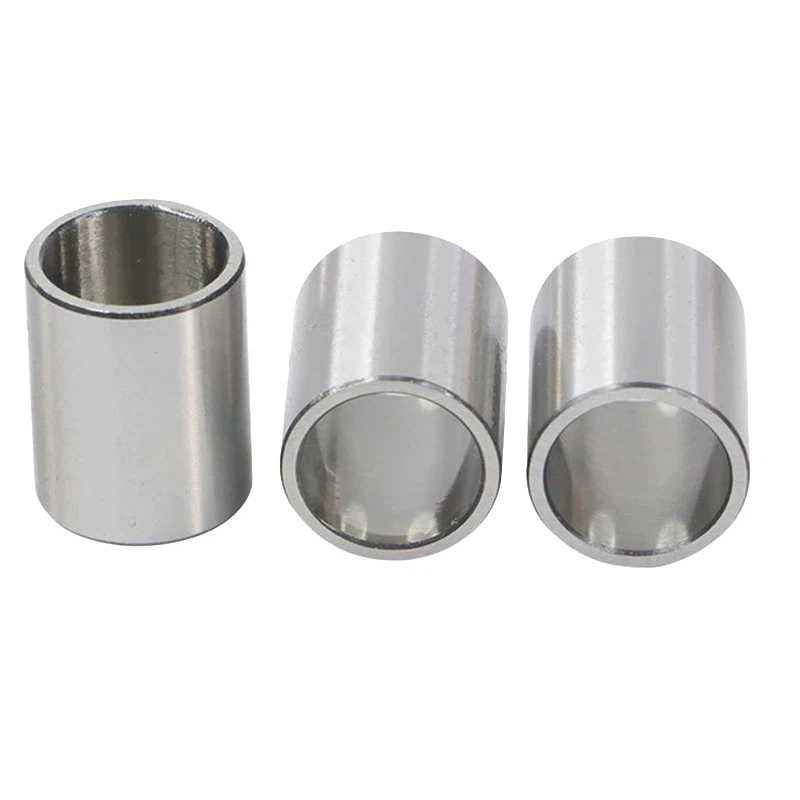
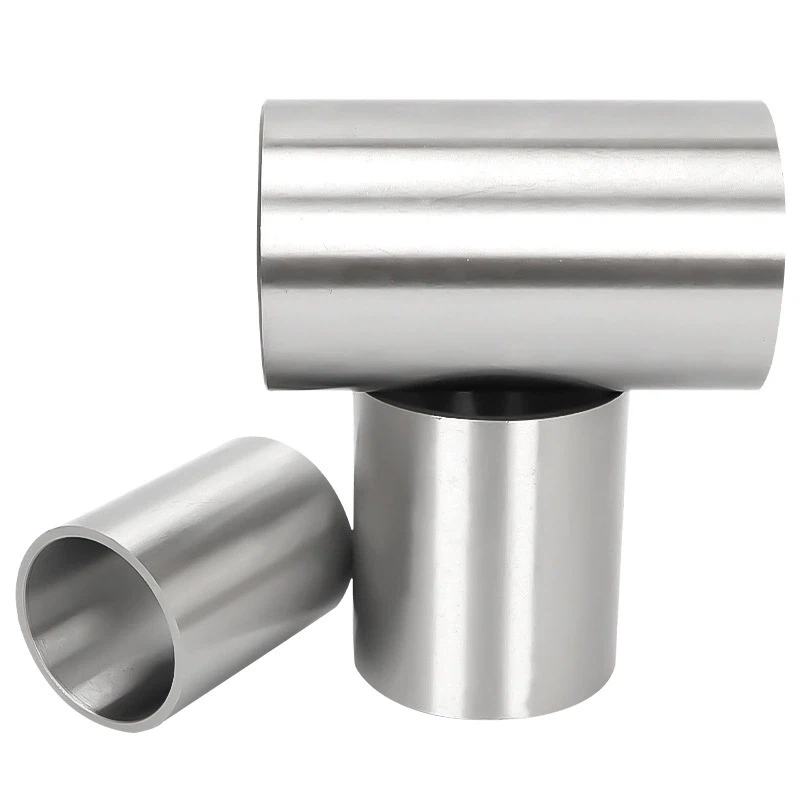
Material Properties
Different materials used in Positioning Base Plates have different thermal properties. For instance, metals like steel and aluminum have relatively high coefficients of thermal expansion. This means that they expand and contract more significantly with changes in temperature compared to some other materials.
Steel, which is commonly used in Positioning Base Plates due to its strength and durability, can experience significant dimensional changes with temperature fluctuations. If a steel base plate is used in an application where precise positioning is required, these dimensional changes can be a major problem.
On the other hand, some composite materials may have lower coefficients of thermal expansion. They can be a better choice for applications where temperature variations are significant. However, composite materials may not offer the same level of strength and durability as metals in all cases.
Impact on Accuracy
Accuracy is a critical factor in the performance of a Positioning Base Plate. Temperature - induced changes in dimensions can directly affect the accuracy of the positioning. Even small changes in the size of the base plate can lead to errors in the placement of components, which can have a domino effect on the entire system.
For example, in a manufacturing process where a Positioning Base Plate is used to hold a workpiece in place for machining, any inaccuracy due to temperature changes can result in defective products. The precision required in modern manufacturing is extremely high, and temperature - related inaccuracies can lead to costly rework or scrap.
Fatigue and Long - Term Performance
Temperature variations can also contribute to fatigue in the Positioning Base Plate. Repeated cycles of expansion and contraction can cause stress on the material over time. This stress can lead to the development of cracks and other forms of damage, reducing the lifespan of the base plate.
In applications where the base plate is exposed to frequent temperature changes, such as in outdoor environments or industrial processes with varying operating temperatures, the long - term performance of the base plate can be severely affected. It's important to choose a base plate that can withstand these temperature - related stresses to ensure reliable operation over an extended period.
Mitigating the Effects of Temperature
There are several ways to mitigate the effects of temperature on a Positioning Base Plate. One approach is to choose a material with a low coefficient of thermal expansion. As mentioned earlier, composite materials can be a good option in some cases.
Another strategy is to design the base plate with features that can accommodate thermal expansion and contraction. For example, slotted holes or flexible mounting systems can allow the base plate to expand and contract without causing misalignment of the mounted components.
Proper insulation and temperature control can also be effective. In industrial settings, using heating or cooling systems to maintain a stable temperature around the Positioning Base Plate can help reduce the impact of temperature variations.
Related Products
When considering a Positioning Base Plate, you might also be interested in related products. A Mounting Adapter Plate can be used to connect different components to the base plate, providing more flexibility in your setup. A Shaft Sleeve Bushing can help ensure smooth movement and proper alignment of shafts in your system. And of course, you can explore our range of Positioning Base Plates to find the one that best suits your needs.
Conclusion
Understanding how temperature affects a Positioning Base Plate is crucial for anyone involved in applications where precise positioning is required. Temperature - induced changes in dimensions, material properties, accuracy, and long - term performance can all have a significant impact on the functionality of your system.
As a supplier, I'm here to help you make the right choice. Whether you need a base plate for a high - temperature environment or one that can withstand frequent temperature fluctuations, I can provide you with the information and products you need. If you're interested in purchasing a Positioning Base Plate or have any questions, don't hesitate to reach out. We can discuss your specific requirements and find the best solution for your application.
References
- "Materials Science and Engineering: An Introduction" by William D. Callister Jr. and David G. Rethwisch
- "Thermal Engineering" textbooks for general knowledge on thermal expansion and contraction principles.


