

Hey there! As a supplier of precision custom components, I've seen firsthand how crucial it is to have an efficient and high - quality assembly process. In this blog, I'm gonna share some tips on how to improve the assembly process of these precision custom components.
1. Design for Assembly (DFA)
The first step in improving the assembly process starts long before the actual assembly begins. It's all about designing the components in a way that makes them easy to put together. When we design precision custom components, we need to keep in mind the assembly process. For example, we should try to reduce the number of parts. Fewer parts mean fewer steps in the assembly process, which can save time and reduce the chances of errors.
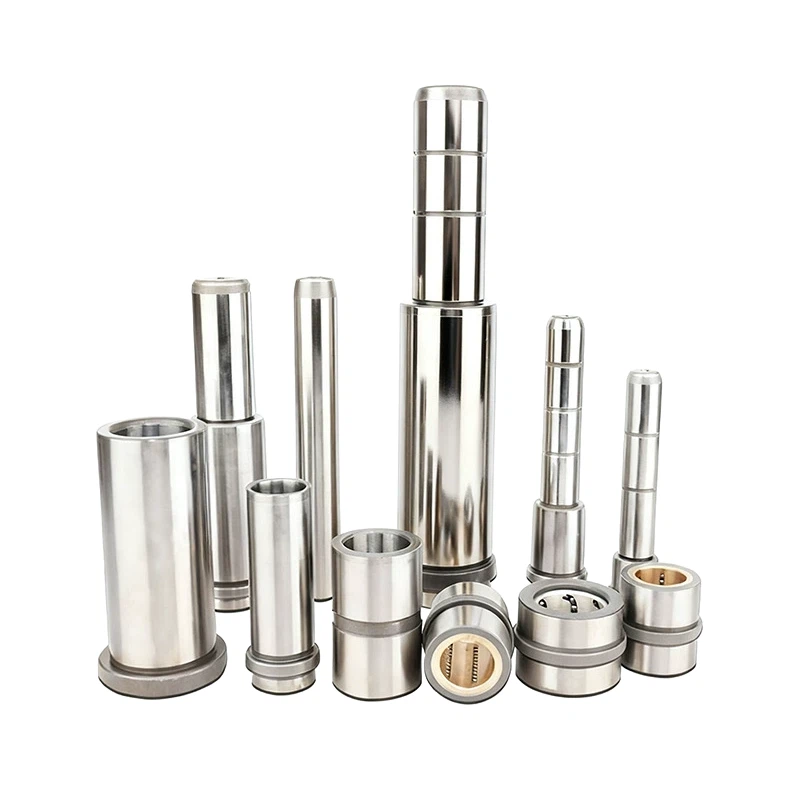
Let's say we're making a Precision Instrument Guide Sleeve. If we design it in a way that it can be easily slotted into place without a lot of complex maneuvers, the assembly will be a breeze. Also, we should design parts with features that allow for easy alignment. This could be things like pins, grooves, or notches that help the parts fit together correctly on the first try.
2. Training and Skill Development
Our assembly workers are the backbone of the process. So, it's essential to provide them with proper training. We need to ensure that they understand the design and function of each component. They should know how to handle the precision tools and equipment required for the assembly.
Regular training sessions can keep the workers up - to - date with the latest assembly techniques. We can also encourage them to share their experiences and ideas. Sometimes, the workers on the assembly line have the best insights into how to improve the process. For instance, they might suggest a better way to hold a part during assembly, which can increase efficiency.
3. Quality Control at Every Step
Quality control is not something that should happen only at the end of the assembly process. It should be integrated into every step. We need to check the quality of each individual component before it goes into the assembly. This can prevent a lot of problems down the line.
For example, when we're assembling Automotive Cylinder Sleeves, we should measure the dimensions of each sleeve to make sure they meet the specifications. If a sleeve is out of tolerance, it can cause issues in the final product.
During the assembly process, we should also have in - process quality checks. This could involve checking the alignment of parts, the tightness of connections, and the overall fit. By catching problems early, we can avoid having to disassemble and reassemble the product, which saves time and resources.
4. Use of Advanced Tools and Technology
In today's world, there are a lot of advanced tools and technologies available that can improve the assembly process. For example, we can use automated assembly machines for repetitive tasks. These machines can work faster and more accurately than human workers.
We can also use 3D modeling and simulation software. This software allows us to visualize the assembly process before we actually start building the components. We can identify potential problems and make adjustments to the design or the assembly sequence.

For High Speed Electric Spindle assembly, we can use precision measuring tools like coordinate measuring machines (CMMs) to ensure that the parts are assembled with high accuracy. These tools can measure the dimensions of the components to within a few micrometers, which is crucial for the proper functioning of the spindle.
5. Supply Chain Management
A well - managed supply chain is essential for a smooth assembly process. We need to ensure that we have a reliable source of raw materials and components. Delays in the supply of parts can cause bottlenecks in the assembly process.
We should also work closely with our suppliers to ensure the quality of the materials. We can have regular communication with them to discuss any issues or changes in the requirements. For example, if we need a specific grade of steel for a component, we should make sure that the supplier can provide it consistently.
6. Lean Manufacturing Principles
Applying lean manufacturing principles can significantly improve the assembly process. Lean manufacturing focuses on eliminating waste, such as overproduction, waiting time, and unnecessary movement.
We can use techniques like value - stream mapping to identify the non - value - added steps in the assembly process. Once we've identified these steps, we can work on eliminating them. For example, if there's a lot of waiting time between different assembly operations, we can try to streamline the process to reduce this time.
7. Continuous Improvement
The assembly process is never perfect. There's always room for improvement. We should have a system in place to collect feedback from the workers, the quality control team, and the customers. This feedback can be used to identify areas that need improvement.
We can set up a continuous improvement team that meets regularly to discuss the issues and come up with solutions. For example, if customers are complaining about a particular component's assembly quality, we can analyze the problem and make the necessary changes to the assembly process.
Conclusion
Improving the assembly process of precision custom components is a continuous journey. By following these tips, we can make the process more efficient, reduce errors, and improve the overall quality of our products. If you're in the market for precision custom components and want to discuss your requirements, feel free to reach out. We're always looking forward to working with new customers and providing them with the best - quality components.
References
- Smith, J. (2020). Precision Manufacturing Handbook. Publisher Name.
- Johnson, A. (2019). Assembly Process Optimization. Industry Press.


