

Hey there! As a supplier of Special-shaped Connectors, I've seen my fair share of issues with these little guys. Special-shaped connectors are super useful in a bunch of different industries, from electronics to automotive and even medical equipment. But like any product, they can run into some common failure modes. Let's dive into what those are and how you can avoid them.
1. Mechanical Damage
One of the most common failure modes of special-shaped connectors is mechanical damage. These connectors are often used in environments where they can be subject to physical stress, like vibrations, impacts, or bending. For example, in a car engine, the connectors are constantly jostled around as the vehicle moves. If the connector isn't designed to withstand these forces, it can break or become loose.
The pins or contacts inside the connector can also get bent or damaged. This can happen during installation if the connector is forced into place incorrectly. Even a small bend in a pin can disrupt the electrical connection, leading to intermittent or complete loss of signal.
To prevent mechanical damage, it's important to choose connectors that are built to handle the specific environment they'll be used in. Look for connectors with strong housing materials and robust contact designs. And during installation, make sure to follow the manufacturer's guidelines carefully.
2. Corrosion
Corrosion is another big problem for special-shaped connectors. When connectors are exposed to moisture, chemicals, or other corrosive substances, the metal contacts can start to rust or corrode. This can increase the resistance of the electrical connection, leading to poor performance or even complete failure.
In outdoor applications, like in telecommunications or solar power systems, connectors are often exposed to rain, humidity, and saltwater. In industrial settings, they might be exposed to chemicals or solvents. To combat corrosion, many connectors are coated with protective materials, like gold or nickel. These coatings can help prevent the metal from coming into contact with corrosive substances.
Regular maintenance and inspection are also key to preventing corrosion. If you notice any signs of corrosion, like discoloration or pitting on the contacts, it's important to clean or replace the connector as soon as possible.
3. Electrical Overload
Electrical overload occurs when too much current flows through a connector. This can happen if the connector is rated for a lower current than the actual load it's carrying. For example, if you use a connector rated for 5 amps to carry a 10-amp load, the connector can overheat and fail.
Overloading can also cause the contacts to melt or fuse together, which can permanently damage the connector. To avoid electrical overload, it's crucial to choose connectors with the right current rating for your application. Make sure to check the specifications of the connector and match them to the requirements of your system.
4. Poor Contact
Poor contact is a common issue that can lead to intermittent or weak electrical connections. This can be caused by a variety of factors, including dirty or contaminated contacts, loose connections, or misaligned pins.
Dirty contacts can occur when dust, dirt, or other debris gets into the connector. This can create a barrier between the contacts, reducing the conductivity of the connection. Loose connections can happen if the connector isn't properly secured or if the locking mechanism fails. Misaligned pins can occur during installation or due to mechanical stress.
To ensure good contact, it's important to keep the connectors clean and free of debris. You can use a contact cleaner to remove any dirt or contaminants. Make sure to tighten the connectors properly and check for any signs of misalignment.
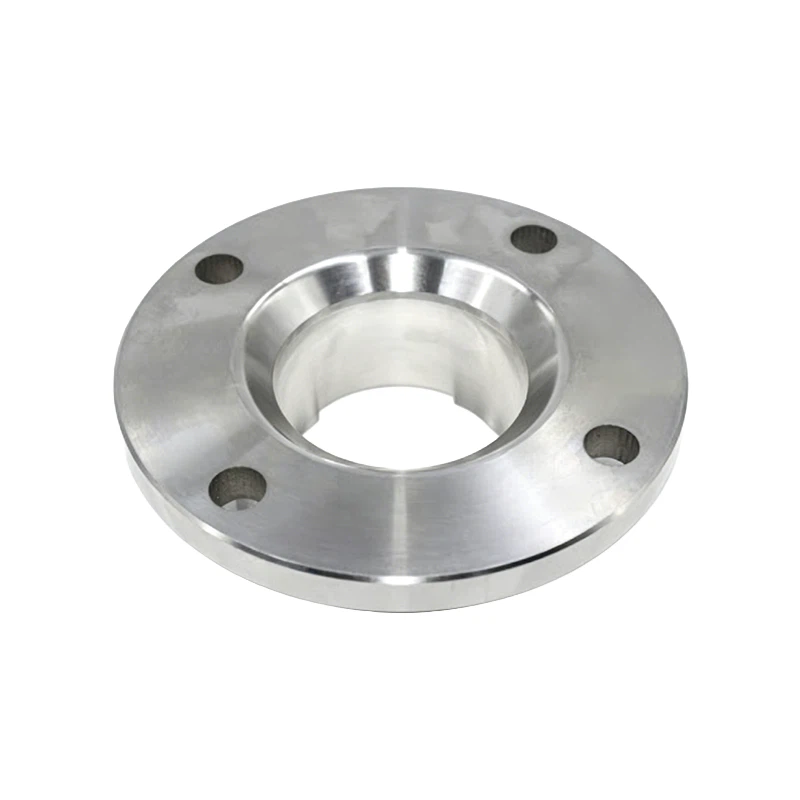

5. Environmental Factors
Special-shaped connectors can be affected by a variety of environmental factors, including temperature, humidity, and dust. Extreme temperatures can cause the materials in the connector to expand or contract, which can lead to mechanical stress and damage. High humidity can increase the risk of corrosion, while dust can clog the contacts and reduce the conductivity of the connection.
In some applications, like in aerospace or military equipment, connectors need to be able to withstand harsh environmental conditions. To ensure the reliability of the connectors in these environments, it's important to choose connectors that are designed to meet the specific requirements of the application.
How We Can Help
As a supplier of Special-shaped Connector, we understand the importance of providing high-quality connectors that can withstand these common failure modes. Our connectors are designed and manufactured to meet the highest standards of quality and reliability.
We offer a wide range of special-shaped connectors for various applications, including Special Purpose Machine Parts and Precision Mounting Base for Medical Equipment. Our connectors are made from high-quality materials and are tested to ensure they can handle the toughest environments.
If you're in the market for special-shaped connectors, we'd love to talk to you. We can help you choose the right connector for your application and provide you with the support you need to ensure a successful installation. Contact us today to start the conversation!
References
- "Connector Handbook" by John R. Neff
- "Electrical Connector Design Handbook" by Ronald A. Haviland


