

Selecting the right precision custom component for a specific application can be a daunting task. As a supplier of precision custom components, I've seen firsthand the challenges that customers face when trying to make the best choice. In this blog post, I'll share some tips and insights to help you navigate the process and find the perfect component for your needs.
Understanding Your Application
The first step in selecting the right precision custom component is to have a clear understanding of your application. What are the specific requirements and constraints of your project? Consider factors such as the operating environment, the load and stress the component will be subjected to, and the required level of precision.
For example, if you're working on an automotive project, you might need components that can withstand high temperatures and vibrations. In this case, Automotive Cylinder Sleeves could be a great choice. These sleeves are designed to provide a precise fit and excellent wear resistance, making them ideal for use in engines.
On the other hand, if you're working on a motor control application, you'll need components that can provide stable support and accurate positioning. Motor Mounting Base are specifically designed for this purpose. They are engineered to reduce vibration and ensure smooth operation, which is crucial for the performance of your motor.
Material Selection
Once you have a clear understanding of your application, the next step is to choose the right material for your component. The material you select will have a significant impact on the performance and durability of the component.
There are many different materials available, each with its own unique properties and characteristics. Some common materials used in precision custom components include metals such as steel, aluminum, and brass, as well as plastics and composites.
When choosing a material, consider factors such as strength, hardness, corrosion resistance, and thermal conductivity. For example, if you need a component that can withstand high temperatures, you might choose a material with high thermal conductivity, such as copper or aluminum.
Precision and Tolerance
Precision and tolerance are critical factors in the selection of precision custom components. Precision refers to the degree of accuracy and repeatability of the component, while tolerance refers to the allowable variation in the dimensions of the component.
The level of precision and tolerance required will depend on the specific application. For example, in a precision instrument application, you might need components with extremely tight tolerances to ensure accurate measurement and operation. In this case, Precision Instrument Guide Sleeve could be a suitable choice. These sleeves are manufactured to very high precision standards, ensuring a precise fit and smooth operation.
Manufacturing Process
The manufacturing process used to produce the precision custom component is also an important consideration. Different manufacturing processes have different capabilities and limitations, and the choice of process will depend on the specific requirements of your component.
Some common manufacturing processes used in the production of precision custom components include machining, casting, forging, and injection molding. Machining is a versatile process that can be used to produce components with high precision and complex geometries. Casting is a cost-effective process that is suitable for producing large quantities of components. Forging is a process that can produce components with high strength and durability. Injection molding is a process that is suitable for producing components with complex shapes and high volumes.

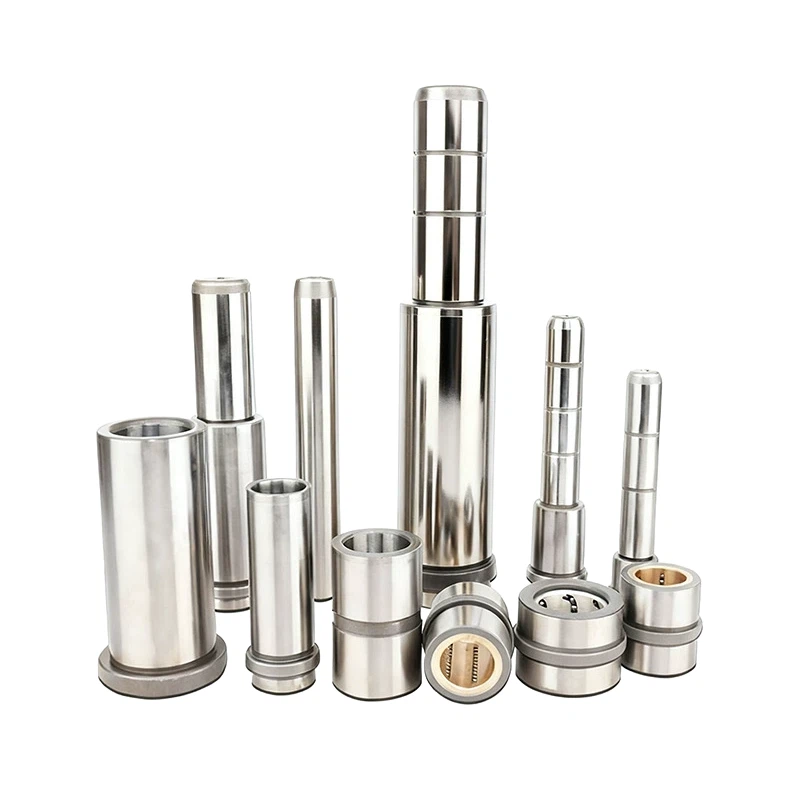
Supplier Selection
Finally, choosing the right supplier is crucial for ensuring the quality and reliability of your precision custom components. When selecting a supplier, consider factors such as their experience, reputation, quality control processes, and customer service.
Look for a supplier who has a proven track record of producing high-quality precision custom components. They should have the necessary equipment and expertise to meet your specific requirements. Additionally, they should have a strong quality control system in place to ensure that all components meet the required standards.
A good supplier will also provide excellent customer service. They should be responsive to your inquiries and provide timely updates on the progress of your order. They should also be willing to work with you to solve any problems or issues that may arise.
Conclusion
Selecting the right precision custom component for a specific application requires careful consideration of several factors, including your application requirements, material selection, precision and tolerance, manufacturing process, and supplier selection. By following these tips and insights, you can make an informed decision and find the perfect component for your needs.
If you're in the market for precision custom components, I encourage you to reach out to us. We have extensive experience in manufacturing high-quality precision custom components for a wide range of applications. Our team of experts can work with you to understand your specific requirements and provide you with the best solutions. Contact us today to start the conversation and explore how we can help you with your project.
References
- ASM Handbook, Volume 2: Properties and Selection: Nonferrous Alloys and Special-Purpose Materials
- Machinery's Handbook, 31st Edition
- Design for Manufacturability Handbook


