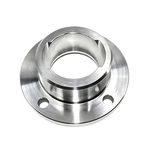

The installation and removal of bearing sleeves requires special attention. Improper installation may lead to bearing damage or equipment malfunction. Here are some key steps for bearing sleeve installation:
1. Cleaning: Before installing the bearing sleeve, ensure that the mating surfaces of the bearing sleeve, bearing, and equipment housing are clean and free of contaminants. Any impurities or dust can affect the fit accuracy, leading to unstable bearing operation.
2. Dimension Check: Before installation, check the inner and outer diameters of the bearing sleeve and the bore diameter of the equipment housing to ensure they meet the design tolerances. Dimensional mismatches may result in an excessively tight or loose fit, affecting the normal operation of the equipment.
3. Lubrication: During installation, proper lubrication reduces friction and facilitates smoother installation. A small amount of lubricating oil or grease can usually be applied to the inner surface of the bearing sleeve and the mating surfaces of the equipment housing. However, it is important to note that the type and amount of lubricant should be selected according to the specific operating conditions; too much or too little lubrication may cause problems.
4. Installation Method: Bearing sleeves are typically installed using a press or specialized tools. Avoid direct impacts that could cause deformation or damage. During installation, ensure the bearing sleeve is evenly pressed into the equipment housing slowly until it reaches the designed position. After installation, check that the bearing sleeve is in place and that there is no tilting or misalignment.
5. Disassembly Precautions: If disassembly of the bearing sleeve is required, specialized tools must be used to avoid damaging the parts due to forceful disassembly. Before disassembly, carefully read the equipment manual or relevant technical documents to understand the correct disassembly procedures and precautions.